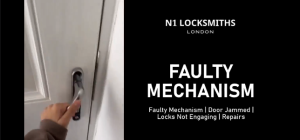
Aluminium sliding doors are a popular choice in modern homes and commercial properties across the UK. Their sleek design, durability, and space-saving functionality make them ideal for patios, balconies, and internal partitions. However, like any mechanical system, they are not immune to wear and tear. One of the most common issues property owners encounter is a faulty lock, which can compromise both security and convenience.
This blog explores the causes behind faulty locks in aluminium sliding doors, practical fault resolution methods, and professional repair solutions to restore smooth operation and safety.
Understanding Aluminium Sliding Door Lock Mechanisms
Aluminium sliding doors operate using a track-based system combined with a locking mechanism that secures the door in place. These locks are typically multi-point or latch-based systems designed to align perfectly when the door is closed.
Unlike traditional hinged doors, sliding doors require precise alignment. Even minor shifts in the frame, rollers, or tracks can affect how the lock engages. Over time, frequent use, environmental exposure, and lack of maintenance can lead to lock failure.
Common Causes of Faulty Locks
1. Misalignment of the Door
One of the leading causes of lock issues is misalignment. If the door no longer sits correctly within its frame, the locking mechanism may fail to engage properly. This often occurs due to worn rollers or track damage.
2. Worn or Damaged Lock Components
Internal lock parts can degrade over time, especially with regular use. Springs, latches, and internal mechanisms may weaken or break, leading to inconsistent locking.
3. Dirt and Debris in Tracks
Sliding doors rely heavily on clean tracks. Accumulated dirt, dust, or debris can obstruct smooth movement, preventing the door from closing fully and affecting lock engagement.
4. Weather-Related Damage
Exposure to moisture and temperature fluctuations can cause expansion, contraction, or corrosion in metal components. This can interfere with the lock’s functionality.
5. Improper Installation
If the door or lock was not installed correctly, issues may arise sooner than expected. Poor alignment or incorrect fitting can lead to long-term problems.
Signs Your Sliding Door Lock Needs Repair
Recognising early warning signs can help prevent more serious issues:
- Difficulty locking or unlocking the door
- The door not closing fully
- A loose or stiff handle
- Grinding or scraping noises during operation
- The lock not catching properly
Ignoring these signs can lead to complete lock failure, leaving your property vulnerable.
Fault Resolution: Practical Steps
Inspect and Clean the Tracks
Start by examining the sliding tracks. Remove any visible debris and clean the track using a soft brush or vacuum. Lubricating the track can also improve movement.
Check Door Alignment
If the door appears uneven, inspect the rollers. Adjusting or replacing worn rollers can help restore proper alignment and allow the lock to function correctly.
Tighten Loose Components
Handles, screws, and fittings can become loose over time. Tightening these components may resolve minor lock issues.
Lubricate the Lock Mechanism
Applying a suitable lubricant to the lock can help improve internal movement and reduce stiffness.
Test the Lock Engagement
After performing basic maintenance, test the lock several times to ensure it engages smoothly without resistance.
When to Seek Professional Help
While minor issues can often be resolved with basic maintenance, more complex problems require professional expertise. Attempting to fix internal lock mechanisms without proper knowledge may cause further damage.
A Professional Locksmith can diagnose the issue accurately and recommend the most effective solution. Whether it involves repairing internal components or replacing the entire locking system, expert intervention ensures long-term reliability.
Lock Repairs vs Lock Replacement
Lock Repairs
Repairing the existing lock is often the first approach. This involves fixing or replacing damaged internal parts while retaining the original mechanism. It is typically more cost-effective and suitable for minor faults.
Lock Replacement
In cases where the lock is severely damaged or outdated, a Lock Replacement may be necessary. Upgrading to a modern locking system can improve both security and ease of use.
Sometimes, a complete Lock Change is recommended if the existing system is no longer reliable or compatible with the door structure.
Door Repairs: Beyond the Lock
A faulty lock is not always the root cause. In many cases, the issue lies within the door system itself. Comprehensive door repairs may include:
- Replacing worn rollers
- Realigning the door frame
- Repairing or replacing damaged tracks
- Adjusting door panels
Addressing these underlying issues ensures that the lock functions properly and prevents recurring problems.
Emergency Situations
A faulty lock can quickly escalate into an urgent situation, especially if access is restricted or security is compromised. Scenarios such as being Locked Out, dealing with Lost Keys, or handling Snapped Keys or Broken Keys require immediate attention.
In such cases, contacting an Emergency Locksmith or an Emergency 24 Hour Locksmith ensures rapid assistance. A 24/7 Locksmith service provides peace of mind, knowing help is available at any time.
Choosing the Right Locksmith Service
Selecting a reliable professional is essential for effective repairs. When searching for a Locksmith Near Me, consider the following:
- Experience with aluminium sliding doors
- Positive customer reviews
- Transparent pricing
- Availability for emergency services
A Trusted Locksmith or Reliable Locksmith will provide clear advice and high-quality workmanship. Whether you require routine maintenance or urgent repairs, choosing the right expert makes all the difference.
For residents in the capital, services such as Locksmith London, Locksmith Services in London, or a North London Locksmith can offer specialised local expertise. If you are in specific areas, a Locksmith Islington may provide faster response times and tailored solutions.
Preventative Maintenance Tips
Regular maintenance can significantly extend the lifespan of your sliding door lock:
- Clean tracks regularly to prevent debris build-up
- Lubricate moving parts periodically
- Check alignment and adjust rollers when needed
- Inspect the lock for early signs of wear
- Avoid forcing the door if it becomes stiff
Taking these simple steps can help you avoid costly repairs and ensure smooth operation.
The Importance of Timely Repairs
Delaying repairs can lead to more serious issues, including complete lock failure or damage to the door system. A malfunctioning lock not only affects convenience but also compromises security.
Prompt fault resolution ensures that your property remains safe and your door continues to function efficiently. Whether it is a minor adjustment or a full repair, addressing the issue early is always the best approach.
Conclusion
Faulty locks in aluminium sliding doors are a common yet manageable issue. By understanding the causes, recognising the signs, and taking appropriate action, you can maintain both security and functionality.
While basic maintenance can resolve minor problems, professional assistance is often required for lasting solutions. From lock repairs to full door adjustments, expert services ensure your sliding door operates smoothly and securely.
If you are experiencing issues with your sliding door lock, do not wait for the problem to worsen. Contact N1 Locksmiths today for expert fault resolution, dependable repairs, and prompt service you can trust.