Locks play a crucial role in maintaining the safety and security of homes and properties. Among the most commonly used locking systems in the UK is the mortice lock, known for its durability and strength. However, like any mechanical system, it can develop faults over time. Issues such as a seized deadlock or keys not working properly can quickly escalate from minor inconveniences to urgent security concerns.
This blog explores the causes, signs, and solutions related to size mortice locks, seized deadlocks, and malfunctioning keys, helping property owners understand when to act and how to prevent recurring problems.
What Is a Size Mortice Lock?
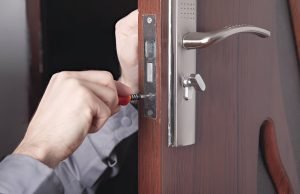
A mortice lock is fitted into a pocket (or “mortice”) cut into the edge of a door. These locks are widely used across residential and commercial properties due to their robust construction and enhanced level of security.
The term “size mortice lock” refers to the dimensions of the lock body and backset (the distance from the edge of the door to the centre of the keyhole or spindle). Choosing the correct size is essential for proper functionality and security. If the lock size is incorrect, it can lead to operational difficulties, misalignment, and eventual failure.
Common Problems with Mortice Locks
Even high-quality mortice locks can develop faults over time. The most frequent issues include:
- Internal mechanism wear and tear
- Misalignment between the lock and strike plate
- Dirt or debris accumulation inside the lock
- Rust or corrosion affecting moving parts
- Poor installation or incorrect sizing
These issues often lead to more serious problems such as a seized deadlock or keys failing to operate the lock smoothly.
Understanding a Seized Deadlock
A deadlock is designed to provide enhanced security by requiring a key to operate both from the inside and outside. When a deadlock becomes seized, it means the internal mechanism is no longer moving freely.
Causes of a Seized Deadlock
- Lack of lubrication: Over time, internal components dry out and create friction
- Rust and corrosion: Exposure to moisture can damage internal parts
- Mechanical failure: Springs or levers inside the lock may break or become dislodged
- Excessive force: Forcing the lock repeatedly can damage the mechanism
Signs Your Deadlock Is Seized
- The key becomes difficult to turn
- The lock feels stiff or completely stuck
- The key turns partially but does not engage the bolt
- You hear grinding or clicking noises
Ignoring these signs can result in being fully locked out or compromising the security of your property.
Why Keys Stop Working Properly
When keys stop working in a mortice lock, it is often a symptom of an underlying issue rather than a problem with the key itself.
Common Reasons Include:
- Worn-out keys: Over time, keys lose their precise shape
- Damaged lock mechanism: Internal components may not align properly
- Debris inside the lock: Dust or small particles can block movement
- Misaligned door: Structural shifts can affect how the lock engages
In some cases, the issue may escalate to Broken Keys or Snapped Keys, especially if excessive force is applied while trying to turn the key.
The Risks of Ignoring Lock Issues
Delaying repairs can lead to more serious complications:
- Increased risk of being Locked Out unexpectedly
- Higher likelihood of complete lock failure
- Compromised property security
- More expensive repairs or full Lock Replacement
If you are already dealing with Lost Keys, the situation becomes even more urgent, as your property may be vulnerable to unauthorised access.
Repair vs Replacement: What’s the Right Choice?
When facing mortice lock issues, the decision often comes down to whether the lock can be repaired or needs replacing.
When Repair Is Possible
- Minor stiffness or resistance in the lock
- Slight misalignment of components
- Early signs of wear
When Replacement Is Necessary
- Severe internal damage
- Repeated failures despite repairs
- Outdated or low-security lock models
- Compromised security due to lost or damaged keys
In many cases, a professional assessment is required to determine the most appropriate solution.
The Importance of Professional Assistance
Handling lock issues without proper knowledge can worsen the problem. Engaging a Professional Locksmith ensures the issue is diagnosed accurately and resolved efficiently.
A skilled locksmith can:
- Identify the root cause of the problem
- Repair or replace components without damaging the door
- Ensure correct sizing for mortice locks
- Restore full functionality and security
Whether you require urgent assistance or routine maintenance, choosing a Trusted Locksmith is essential for peace of mind.
Emergency Situations and Immediate Help
Lock failures often occur at the most inconvenient times. In such cases, contacting an Emergency Locksmith or an Emergency 24 Hour Locksmith can provide rapid assistance.
Situations that require urgent attention include:
- Being locked out of your property
- A completely seized deadlock
- Keys stuck or broken inside the lock
- Security concerns after losing keys
Searching for a Locksmith Near Me or a Local Locksmith can help you find quick and reliable support in your area.
Preventative Maintenance Tips
Regular maintenance can significantly extend the lifespan of your mortice lock and prevent unexpected failures.
Simple Steps to Follow
- Lubricate the lock periodically using appropriate products
- Avoid forcing the key if resistance is felt
- Keep the lock clean and free from debris
- Check door alignment regularly
- Replace worn keys before they cause damage
Taking these precautions reduces the likelihood of requiring emergency services and helps maintain optimal performance.
Choosing the Right Locksmith Service
When selecting a locksmith, it is important to consider experience, reliability, and local knowledge. A Reliable Locksmith will offer transparent pricing, prompt service, and high-quality workmanship.
For those in the capital, services such as Locksmith Services in London and a North London Locksmith provide specialised support tailored to local property types and security needs. If you are based in specific areas, a Locksmith Islington can offer quick response times and familiarity with the locality.
Modern Security Considerations
While traditional mortice locks remain effective, modern security standards continue to evolve. Upgrading to higher-grade locks or combining multiple security measures can enhance protection.
Options include:
- British Standard mortice locks
- Anti-snap cylinders
- Reinforced strike plates
- Additional security bolts
A professional locksmith can recommend upgrades suited to your property and security requirements.
Conclusion: Secure Your Property with Expert Help
Mortice locks are a dependable security solution, but issues such as seized deadlocks and keys not working should never be ignored. Early detection and timely intervention can prevent costly repairs and ensure your property remains secure.
If you are experiencing any lock-related issues, do not wait for the situation to worsen. Whether it’s a minor fault or an urgent emergency, expert assistance is always the safest option.
For reliable, efficient, and professional support, contact N1 Locksmiths today. Their team of experienced specialists is ready to handle everything from repairs to full Lock Change and advanced security solutions, ensuring your property stays protected at all times.