
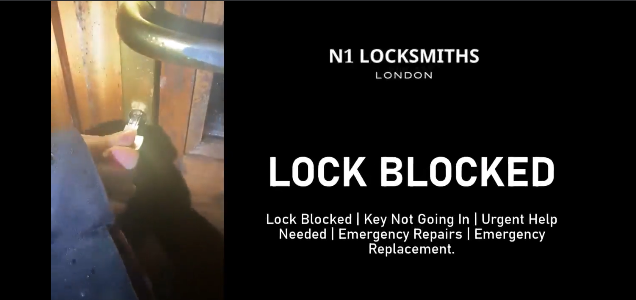
Encountering a lock blocked or a situation where the key is not going in can be incredibly frustrating, especially when you need urgent access to your home or office. Such problems are not only inconvenient but can also pose a serious security risk if left unresolved. Understanding the causes, solutions, and professional support available is essential for anyone experiencing these issues.
Common Causes of a Blocked Lock
A blocked lock occurs when a mechanism inside the lock cylinder is obstructed, preventing the key from entering or turning smoothly. Several factors can lead to this problem:
1. Dirt and Debris Accumulation
Over time, dust, grime, and small particles can accumulate inside the lock. This build-up restricts the smooth movement of the pins and tumblers, making it difficult for the key to enter.
2. Misaligned Lock Mechanism
Lock mechanisms can become misaligned due to frequent usage, door settling, or structural changes in the property. Misalignment can prevent the key from seating correctly in the cylinder.
3. Wear and Tear
Frequent use of a lock naturally causes wear. Older locks may develop worn pins or damaged components, which prevent the key from engaging properly.
4. Moisture and Rust
Locks exposed to moisture or damp conditions can develop rust, which seizes internal components and blocks key insertion. Rust is especially common in exterior locks without protective finishes.
5. Faulty Keys
Sometimes, the problem is not with the lock but the key itself. Bent or damaged keys, or snapped keys inside the lock, can prevent smooth operation.
Risks of Ignoring a Blocked Lock
Ignoring a lock blocked situation can escalate the problem:
- Increased risk of being locked out, especially if the lock fails completely.
- Potential damage to the internal mechanism, leading to costly repairs or full lock replacement.
- Compromised security if the lock is tampered with or forced open.
- Inconvenience during emergencies, particularly outside regular hours.
Timely intervention is crucial to avoid further damage and maintain property safety.
Immediate Troubleshooting Steps
Before calling a professional, there are a few safe steps you can try:
1. Inspect the Key
Examine your key for any bends, chips, or cracks. Using a damaged key may worsen the blockage or lead to a broken key inside the lock.
2. Lubricate the Lock
A graphite-based lock lubricant can help free up seized pins. Avoid using oil-based products as they can attract dust and worsen the problem over time.
3. Gentle Movement
Try gently wiggling the key while applying light pressure. Do not force it, as this can snap the key inside the cylinder, complicating the repair.
4. Check Alignment
Ensure the door is properly aligned with the frame. Misalignment can cause pressure on the lock, preventing smooth operation.
While these steps may temporarily help, persistent problems often require professional attention.
When to Call an Emergency Locksmith
If the above methods fail, or if the lock issue occurs during odd hours, contacting an Emergency Locksmith is the safest option. Signs you need professional intervention include:
- Key not going in despite lubrication and alignment adjustments.
- Presence of snapped keys inside the lock.
- Difficulty turning the key once inserted.
- The lock is old, rusty, or shows signs of internal damage.
An expert can assess the issue and provide emergency repairs or recommend lock replacement to ensure security and functionality.
Professional Repair vs Replacement
Deciding whether to repair or replace a blocked lock depends on several factors:
Repair
Repairs are suitable for locks that have minor issues like dirt accumulation, slight misalignment, or temporary sticking. A professional locksmith can:
- Remove debris and clean the lock mechanism.
- Realign pins and tumblers for smooth operation.
- Extract broken or snapped keys
Replacement
If the lock is old, heavily worn, or damaged internally, a full lock replacement may be more cost-effective and secure. Replacement is also recommended for:
- Locks that fail repeatedly after repairs.
- Situations where security standards must be updated.
- When a professional locksmith identifies compromised components.
Finding a Trusted Locksmith in London
When faced with a lock blocked emergency, finding a reliable and local professional is crucial. Here’s what to look for:
1. Availability
Choose a 24/7 Locksmith or Emergency 24 Hour Locksmith for urgent situations. This ensures help is available even late at night or during weekends.
2. Reputation
Select a trusted locksmith with positive reviews for professionalism, reliability, and quick response times. A reputable locksmith will provide upfront advice and fair pricing.
3. Services Offered
Ensure the locksmith provides a range of services, including lock replacement, lock change, and emergency repairs. This allows them to handle your specific situation effectively.
4. Local Presence
A local locksmith in London or areas like North London or Islington can reach you quickly during emergencies, reducing downtime and stress.
Preventing Lock Blockages
Prevention is always better than emergency intervention. Follow these tips to reduce the risk of a blocked lock:
- Keep locks clean and free from dust.
- Regularly lubricate locks with a graphite-based lubricant.
- Avoid forcing keys into the lock.
- Replace worn or damaged keys promptly.
- Install high-quality locks designed for long-term durability.
- Schedule regular inspections by a professional locksmith.
By adopting these practices, you can minimise the chances of getting locked out or encountering a broken key scenario.
Emergency Lock Replacement
In some cases, a lock replacement is unavoidable. Modern locks offer advanced security features, and a professional will:
- Remove the faulty lock efficiently.
- Install a secure and smooth-operating replacement.
- Provide guidance on maintenance to prevent future issues.
- Ensure that all locks meet safety and insurance requirements.
A proper replacement restores both functionality and confidence in the security of your property.
When Keys Snap or Break
A snapped key inside a blocked lock is a common reason for emergency calls. Professional locksmiths have the tools to:
- Extract broken keys without damaging the lock.
- Assess whether the lock can be salvaged or needs full replacement.
- Ensure that you regain access safely and quickly.
Attempting to remove a broken key yourself can worsen the damage, making a professional intervention essential.
Choosing the Right Locksmith Service
Not all locksmiths provide the same level of service. When selecting a professional locksmith in London, consider the following:
- Certifications and experience in handling residential and commercial locks.
- Transparent pricing for emergency repairs and lock replacement.
- Ability to respond quickly to urgent calls, particularly in North London or Islington.
- Availability of advanced tools to deal with complex lock issues efficiently.
A reliable service ensures peace of mind and fast resolution.
Conclusion
Dealing with a lock blocked or a key not going in can be stressful, particularly during emergencies. Understanding the causes, performing safe initial troubleshooting, and calling a trusted locksmith when needed are essential steps in resolving the issue efficiently. Whether it requires emergency repairs, extraction of snapped keys, or a full lock replacement, professional support is crucial to maintaining the security and functionality of your property.
For quick, reliable, and professional assistance, contact N1 Locksmiths. Their team of experts provides emergency 24 hour locksmith services across London, including North London and Islington, ensuring you regain access safely and swiftly.


