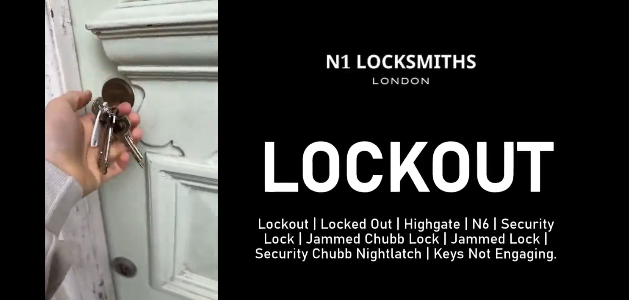
Experiencing a lockout can be both stressful and inconvenient, particularly when it involves a high-security system such as a Chubb lock or nightlatch. In areas like Highgate (N6), where many properties rely on robust door security, issues such as jammed locks or keys not engaging properly are more common than many realise. This guide explains the causes, solutions, and preventative measures associated with these problems, helping homeowners understand what happens and what to do next.
What Causes a Lockout Situation?
A lockout often occurs unexpectedly, leaving you unable to access your property. While sometimes it may be due to simple human error, such as forgetting keys inside, more complex mechanical failures can also be responsible.
Common Reasons Include:
- Misaligned internal lock components
- Wear and tear in older locking systems
- Dirt or debris blocking the keyway
- Broken internal springs within the mechanism
- Warped doors affecting latch alignment
In Highgate’s older properties, traditional locking systems like Chubb locks are widely used, and over time, these can develop faults that result in complete lockouts.
Understanding Chubb Locks and Nightlatches
Chubb locks are known for their durability and security. However, like all mechanical devices, they are not immune to faults.
Key Features of Chubb Locks:
- Lever-based mechanism for enhanced security
- Strong resistance to forced entry
- Commonly installed in wooden doors across North London
Nightlatches, often referred to as “Yale-type locks,” are surface-mounted and operate with a spring-loaded latch. When combined with a Chubb deadlock, they provide an added layer of protection.
What is a Security Chubb Nightlatch?
A security Chubb nightlatch includes additional features such as:
- Anti-drill plates
- Reinforced latch bolts
- Snib function for internal locking
Despite these enhancements, issues can still arise, particularly when the lock becomes jammed or keys fail to engage.
Jammed Lock: What Does It Mean?
A jammed lock typically means that the internal mechanism is no longer functioning smoothly. This could be due to internal damage or external factors affecting the lock’s alignment.
Signs of a Jammed Lock:
- Key refuses to turn
- Increased resistance when inserting the key
- Lock feels “stiff” or unresponsive
- Clicking sounds without unlocking
Ignoring these signs can lead to a complete failure, leaving you unable to enter or secure your property.
Jammed Chubb Lock: Specific Issues
Chubb locks use a lever system, and when one or more levers become misaligned, the key will no longer lift them into the correct position.
Common Causes:
- Worn or bent levers
- Broken internal springs
- Accumulation of dust and grime
- Attempted forced entry damaging the mechanism
When a Chubb lock jams, it often requires professional attention to restore functionality without causing further damage.
Keys Not Engaging: Why It Happens
When keys fail to engage with the lock, it can feel as though the key is simply not “connecting” with the internal mechanism.
Possible Reasons:
- Incorrect or worn key profile
- Internal misalignment of lock components
- Obstruction within the keyway
- Damage caused by previous forced attempts
This issue is particularly frustrating because the key may insert fully but still fail to operate the lock.
Immediate Steps to Take During a Lockout
If you find yourself locked out due to a jammed lock or key issue, it’s important to remain calm and avoid causing further damage.
What You Should Do:
- Check if another entry point is safely accessible
- Avoid forcing the key, as this can worsen the issue
- Inspect the lock for visible debris or obstruction
- Contact a qualified professional for assistance
Attempting to force entry without the proper tools or knowledge can lead to costly repairs.
Professional Solutions for Jammed Locks
When dealing with high-security locks, professional expertise is essential. A trained specialist can diagnose the issue and apply the correct solution.
Common Professional Techniques:
- Non-destructive entry methods
- Realignment of internal components
- Cleaning and lubrication of mechanisms
- Replacement of damaged parts
In some cases, a full lock change may be necessary if the internal components are beyond repair.
Preventing Future Lockouts
Prevention is always better than cure. Regular maintenance and mindful usage can significantly reduce the risk of lockouts.
Tips to Keep Your Locks in Good Condition:
- Lubricate locks periodically with appropriate products
- Avoid using excessive force when turning keys
- Keep keys clean and undamaged
- Ensure door alignment is properly maintained
- Schedule periodic inspections for older locks
These simple steps can extend the lifespan of your locking system and maintain optimal performance.
When to Consider Lock Replacement
If your lock frequently jams or shows signs of internal damage, replacement may be the best option.
Indicators You Need a New Lock:
- Repeated lockouts
- Visible damage to the lock or key
- Difficulty in turning the key consistently
- Security concerns due to ageing hardware
Upgrading to a modern locking system can improve both convenience and security.
Choosing the Right Locksmith Service
Selecting a reliable locksmith is crucial when dealing with security issues. Experience, reputation, and response time all play a significant role.
A trusted service provider will:
- Offer transparent pricing
- Use non-destructive methods where possible
- Provide expert advice on lock maintenance and upgrades
- Ensure quick response in emergency situations
Conclusion: Get Expert Help with N1 Locksmiths
A lockout caused by a jammed Chubb lock or malfunctioning nightlatch can be a serious inconvenience, but with the right knowledge and support, it can be resolved quickly and efficiently. Understanding the causes behind these issues helps you take preventative measures and act wisely when problems arise.
If you are dealing with a lockout or experiencing issues with your lock, don’t leave it to chance. Contact N1 Locksmiths for prompt, professional, and reliable assistance. Their expertise ensures that your lock problems are handled safely, restoring access and security to your property without unnecessary