Lock Change

Nobody changes a lock because the lock stopped working

That sounds like a strange thing for a locksmith to say, but it is the honest starting point. A lock that has physically failed is a repair, and we have a separate page for that. A lock change is something different: the lock works perfectly well and you want it gone anyway, because the thing that has changed is not the mechanism but the list of people who can open your front door. Moving in, a tenant leaving, a relationship ending, a builder who had a key for six weeks in the spring.

That distinction shapes the whole job. When the reason is who holds keys, the priority is certainty — you want to know, not assume, that no old key opens the door tonight. When the reason is security rather than access, the priority is the standard you change up to, because swapping one basic cylinder for another basic cylinder is money spent without buying anything. Most people arrive wanting one of those and end up needing a bit of both.

The part worth spending five minutes on is what goes back in. The lock on most North London front doors was chosen by a developer or a landlord on price, not by anyone thinking about how the door would be attacked. A change is the one moment when upgrading costs almost nothing extra, because you are paying for the visit and the labour either way. Skip that conversation and you will have the same weakness with a shinier key.

How We Change a Lock Properly

Changing a lock is a short job. Choosing what replaces it is the part that decides whether the door is genuinely better afterwards or simply different.

The First Week in a New Home

Nobody can tell you how many keys exist to a house you have just bought or rented. Previous owners, their grown children, a cleaner, an ex-partner, the neighbour who fed the cat, two sets handed to an agent and never returned. None of that is sinister and all of it is unknowable, which is exactly why changing the locks in the first week is the standard advice. It is also the cheapest moment to bring every external door onto a single key while the work is being done anyway.
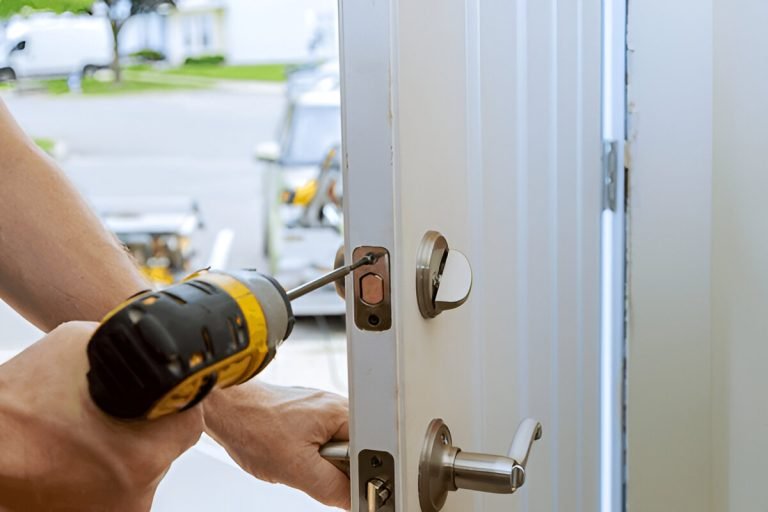
Locksmith changing a front door lock for new homeowners in North LondonOne Key for Every Door

Changing Up to a Better Standard

If the door has a euro cylinder, the question is whether it resists snapping, which is how most forced entries on uPVC and composite doors happen. A TS007 3-star cylinder is designed to break in a controlled way that leaves the lock working. If the door is timber with a mortice deadlock, the question is whether it meets BS3621, which is what most insurers name in their wording. We check what is fitted and tell you which of those applies before quoting.
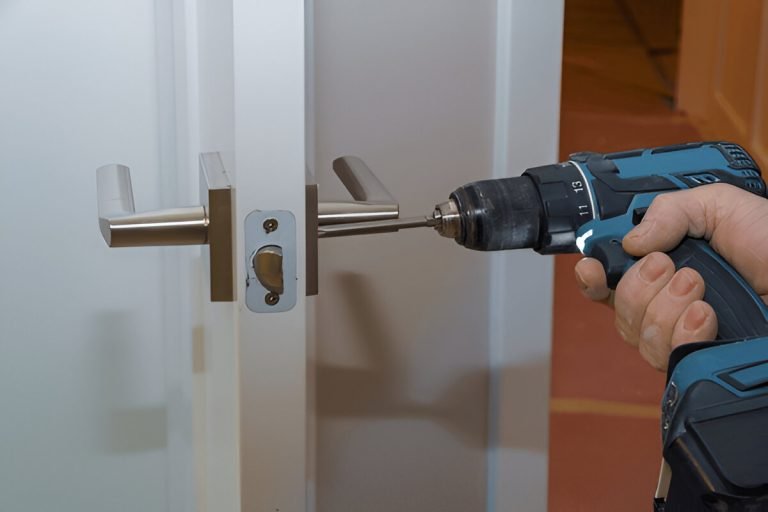
Anti-snap TS007 three star euro cylinder being fitted in North LondonUpgrade the Whole Lock

When Circumstances Change

Separations, a tenant leaving on bad terms, a member of staff who did not return a key, a lodger whose room you now want back. These are the calls where speed and discretion matter more than hardware, and where people are often unsure whether they are allowed to act. We fit the same day where we can, we do not ask more than we need to know, and where the legal position is genuinely not straightforward we will say so rather than guess.
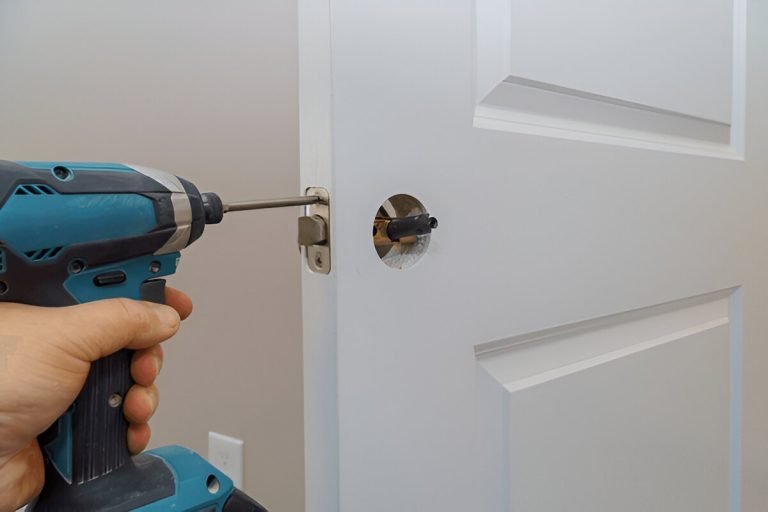
Front door lock changed after a change of circumstances in North LondonKeys Gone Missing?

Why the Standard Matters More Than the Brand

  • We tell you the standard, not the brand — TS007 3-star on a cylinder, BS3621 on a mortice. Those are the words your insurer uses, so those are the words we use.
  • Measured, not guessed — a cylinder that projects even a few millimetres proud of the handle is the one that gets snapped, so sizing is taken from your door rather than a stock length.
  • Old keys tested and confirmed dead — before we leave, the previous keys are tried in the new lock so you have seen for yourself that they do nothing.
  • 180-day warranty on locks, lifetime on keys — itemised on an invoice naming exactly what was fitted, which is what agents and insurers ask for.

Our Process - What Happens When You Call

  1. Tell us why you are changing it. New home, tenant leaving, key not returned, or an upgrade for peace of mind. The reason genuinely changes what we recommend and how quickly we come.
  2. Send a photograph of the door edge. The strip along the edge where the lock sits tells us the type and size in seconds, which is how you get an accurate price before anyone travels.
  3. Options and prices, then you choose. Usually a straight like-for-like and an upgraded option, with the difference explained in plain terms rather than model numbers.
  4. Fitted, tested, old keys proved dead. New lock in, keys tested from both sides, old keys tried and confirmed useless, and an itemised invoice naming the parts.

Why Choose N1 Locksmiths?

You speak to the person doing the job

Describe the door once to the engineer who is coming, and the right cylinder sizes are on the van before it leaves Holloway Road.

Priced on the call, before we travel

A like-for-like cylinder swap and a full mortice upgrade are different jobs at different prices, and you hear which is which up front.

Standards explained without the sales pitch

What TS007 3-star and BS3621 actually mean for your door and your policy, in a sentence, without being talked into a euro cylinder you do not need.

180-day warranty on locks, lifetime on keys

Every lock we fit and every key we cut is guaranteed, and the invoice names the exact product so you can look it up.

Same-day where it matters

A change of circumstances is not something to sit on for a week. Those jobs get fitted the same day wherever the diary allows.

15–30 minutes across N and NW

Worked from Holloway Road, so a lock change is usually an hour of your day rather than a morning off work.

N1 Locksmiths engineer changing a front door lock in North London
Lock Change

Photograph the edge of the door

The single most useful thing you can send us is a picture of the strip along the edge of the door where the lock sits. From that we can normally identify the lock type, judge the size and tell you what a change would cost, all before anybody gets in a van. Add how many doors you want done and the reason behind it — new home, tenant gone, key not returned — and you will have options and prices in one reply, typically with an engineer reaching you within 15–30 minutes across the N and NW postcodes.

Message on WhatsAppCALL 020 7129 7496

Explore Our Locksmith Services

A lock change is rarely one door on its own. These are the jobs most often booked alongside it — a back door brought up to the same standard, every external door put onto a single key while the labour is already paid for, or a tired mechanism sorted before the new cylinder inherits its problems.

Areas We Cover Across London

We change locks across N1 to N22 and NW1 to NW11 from 37 Holloway Road in N7, and the job splits almost entirely by what the door is made of. The Victorian and Edwardian housing through Islington, Barnsbury, Highbury and Newington Green is mostly timber, which means mortice deadlocks and rim nightlatches, and the conversation is usually about reaching BS3621 for the insurer. Newer flats and the replaced doors common around Camden Town, Caledonian Road and the Barnet and Golders Green side are uPVC and composite, where a euro cylinder does all the work and anti-snap protection is the entire argument. We carry both, because a van stocked for only one of them turns half of North London into a second visit.

FAQs – Lock Change

I have just moved in. Do I really need to change the locks?

It is the one piece of standard advice worth following. Not because anyone is likely to come back, but because you cannot know how many keys exist or where they went over the years. Changing them converts an unknown into a known for a modest sum, and it is far cheaper doing it in your first week than as a reaction to something later.

What is the difference between a lock change and a lock repair?

A repair is for a lock that has stopped working properly — stiff, seized, dropped or worn out. A change is for a lock that works fine but should no longer be the one on your door, usually because of who might hold a key. Different reasons, different urgency, and often different answers about what should go back in.

Can you change just the cylinder rather than the whole lock?

On a uPVC or composite door, usually yes, and it is the sensible economical answer. The multipoint mechanism inside the door stays put and only the euro cylinder is swapped, which is the part the key turns and the part attacked in a break-in. On timber doors with a mortice lock the whole lock case normally comes out, because the levers and the key are one unit.

What does TS007 3-star actually mean?

It is the British kitemark rating for how well a cylinder resists snapping, which is the commonest way uPVC and composite doors are forced. Three stars means the cylinder itself resists attack. You can also reach an equivalent level with a 1-star cylinder behind a 2-star security handle. If your door has a plain cylinder standing proud of the handle, it has neither.

Will my insurer accept the lock you fit?

We fit to the standards insurers name — BS3621 for mortice deadlocks on timber doors, TS007 3-star for euro cylinders — and the invoice states exactly what went in. We are not able to speak for your specific policy, so check the wording, but the paperwork you get is written to be exactly what a claim or a renewal asks for.

My ex-partner still has a key. Can I change the lock?

If you own the property or you are the sole tenant on the agreement, generally yes. Where someone else is a joint owner or joint tenant, the position is more complicated and can affect their legal right of access, so that is a question for a solicitor rather than a locksmith. We will fit the lock and be straightforward with you about where that line sits.

A tenant has moved out. Should I change the lock between tenancies?

It is good practice and many agents treat it as routine, because you cannot account for copies cut during a tenancy. Where the cylinder is a decent one, rekeying it to a new key is often the cheaper way to achieve the same outcome. For an HMO or a house you let repeatedly, a restricted key system pays for itself by removing the problem permanently.

How long does a lock change take?

A euro cylinder swap is usually fifteen to twenty minutes per door. A mortice deadlock on a timber door is longer, typically forty minutes to an hour, and longer again if the new lock needs the mortice adjusting or the keep repositioning. Most whole-house changes across two or three external doors are done inside a morning.

Do I have to be there while the work is done?

Somebody with authority for the property does, because the new keys are handed over at the end and old keys are tested in front of you. For landlords and agents we can work to an arrangement agreed in advance, but we will not fit a lock and post keys through a door, which is how keys end up in the wrong hands.

Can all my doors take the same key after the change?

Usually, and a change is the ideal moment to do it because the labour is already being paid for. It needs compatible lock types on each door, which we check during the visit. Front and back doors on matching euro cylinders are simple; adding a mortice or a rim nightlatch to the same key needs the right family of lock and is worth planning rather than improvising.

How is a lock change priced?

By the door and by what goes back in. A single cylinder swap, a full mortice replacement and a three-door upgrade to a matched set are three quite different jobs. Send a photograph of the door edge and tell us how many doors are involved, and you will have the figure before we travel, with the hardware and labour listed separately.

Trusted Lock Change Services You Can Rely On

Sized from your door rather than a stock shelf, changed up to a standard your insurer names, and old keys proved dead before we leave.

Call NowBook Now