Jammed Lock Mortice | Seized Lock | Non-Responsive Keys
Locks are essential for maintaining safety, privacy, and peace of mind in any property. However, when a lock begins to malfunction—whether due to a jammed mortice mechanism, a seized internal system, or non-responsive keys—it can quickly turn into a frustrating and potentially urgent issue. Understanding the causes, warning signs, and solutions can help you take the right steps before the situation worsens.
This guide explores common lock problems, why they occur, and how professional assistance can restore functionality efficiently and safely.
Understanding a Jammed Mortice Lock
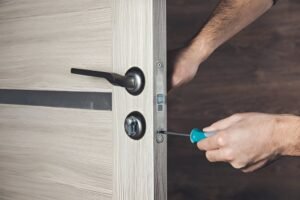
A mortice lock is installed within a pocket (or mortice) cut into the door itself. These locks are widely used in residential and commercial settings across the UK due to their durability and security.
A jammed mortice lock typically occurs when the internal components fail to move as intended. You may notice resistance when turning the key or handle, or the lock may stop functioning entirely.
Common Causes of a Jammed Mortice Lock
- Internal wear and tear: Over time, moving parts inside the lock can degrade.
- Accumulation of dirt or debris: Dust and particles can obstruct internal mechanisms.
- Misalignment: Doors that have shifted due to humidity or structural changes can affect lock alignment.
- Poor lubrication: Lack of proper maintenance can cause friction within the lock.
When left unresolved, a jammed lock can escalate into a complete failure, leaving you unable to secure or access your property.
What Is a Seized Lock?
A seized lock is one that has completely stopped functioning due to internal blockage or corrosion. Unlike a jammed lock, which may still allow limited movement, a seized lock is entirely unresponsive.
Why Locks Become Seized
- Rust and corrosion: Moisture exposure can lead to rust inside the lock mechanism.
- Extreme weather conditions: Cold temperatures may cause components to contract and freeze.
- Old or damaged components: Ageing locks are more prone to seizing.
- Incorrect usage: Forcing a stiff lock can worsen internal damage.
A seized lock often requires immediate attention, especially if it compromises your ability to secure your premises.
Non-Responsive Keys: A Warning Sign
Non-responsive keys are often an early indicator of underlying lock issues. If your key enters the lock but fails to turn smoothly—or doesn’t turn at all—it’s a sign that something isn’t functioning properly.
Potential Reasons for Non-Responsive Keys
- Worn key edges: Over time, keys can lose their original shape.
- Internal misalignment: Pins or levers inside the lock may not align correctly.
- Foreign objects: Small obstructions inside the lock can prevent proper engagement.
- Damaged lock cylinder: Internal components may be broken or displaced.
Ignoring these signs can lead to more serious problems, such as Snapped Keys or even Broken Keys, which complicate the repair process further.
Risks of Ignoring Lock Issues
Delaying action when experiencing lock problems can have several consequences:
- Security vulnerabilities: A faulty lock may not provide adequate protection.
- Inconvenience: You risk becoming Locked Out at an unexpected time.
- Higher repair costs: Minor issues can escalate into major replacements.
- Safety concerns: In emergencies, a malfunctioning lock can delay exit or entry.
Addressing issues early ensures both safety and cost-effectiveness.
DIY Fixes vs Professional Assistance
While minor lock issues may seem manageable, attempting to fix complex problems without proper tools or expertise can worsen the situation.
When DIY May Help
- Applying appropriate lubrication to ease stiffness
- Gently cleaning visible debris from the keyhole
- Checking door alignment
When to Call an Expert
- The lock is completely seized
- Keys are consistently non-responsive
- Internal components are damaged
- You are dealing with Lost Keys
In such cases, contacting a Professional Locksmith ensures the issue is handled safely and efficiently.
The Role of Expert Locksmith Services
Qualified locksmiths are trained to diagnose and resolve a wide range of lock issues. Whether it’s a jammed mortice lock or a fully seized system, professional services offer reliable solutions.
A Trusted Locksmith will:
- Inspect the lock thoroughly
- Identify the root cause of the problem
- Recommend repair or Lock Replacement if necessary
- Ensure minimal damage to the door
Working with a Reliable Locksmith gives you peace of mind that your property remains secure.
Emergency Situations and Immediate Help
Lock problems don’t always occur at convenient times. Being locked out late at night or dealing with a broken lock during bad weather can be stressful.
This is where services like Emergency Locksmith and Emergency 24 Hour Locksmith become invaluable. These professionals are available around the clock to assist in urgent situations.
If you find yourself searching for a Locksmith Near Me, it’s important to choose a provider known for quick response times and dependable service.
Preventative Maintenance Tips
Regular maintenance can significantly extend the lifespan of your locks and reduce the likelihood of issues.
Simple Maintenance Practices
- Lubricate locks periodically with suitable products
- Avoid forcing keys into stiff locks
- Keep locks clean and free from debris
- Inspect locks for early signs of wear
Scheduling routine checks with a Local Locksmith can also help identify potential problems before they escalate.
When to Consider Lock Change or Replacement
Sometimes, repairing a lock is not enough. In cases of severe damage or outdated systems, a Lock Change or full Lock Replacement may be the best option.
Signs You Need a New Lock
- Frequent jamming or seizing
- Visible damage to the lock
- Security concerns
- After losing access due to Lost Keys
Upgrading your locks can enhance both security and functionality.
Choosing the Right Locksmith in London
Finding the right locksmith is crucial for quality service and long-term reliability. Whether you need assistance in central areas or specific locations like Islington, selecting a reputable provider is key.
Look for professionals who offer:
- Transparent pricing
- Fast response times
- Verified credentials
- Positive customer feedback
If you’re in the capital, options such as Locksmith London, Locksmith Services in London, or a North London Locksmith can provide tailored solutions. For those in specific districts, a specialist like Locksmith Islington ensures local expertise and quicker service.
Conclusion
Jammed mortice locks, seized mechanisms, and non-responsive keys are more than just minor inconveniences—they can compromise your safety and disrupt your daily routine. Understanding the causes and acting promptly can prevent further complications.
While basic maintenance can help in some cases, professional intervention is often the safest and most effective solution. Whether it’s an emergency or a planned upgrade, choosing the right locksmith ensures your property remains secure and accessible.
If you’re experiencing persistent lock issues or require immediate assistance, don’t hesitate to contact N1 Locksmiths. As a 24/7 Locksmith service provider, N1 Locksmiths delivers fast, dependable, and expert solutions tailored to your needs. Trust N1 Locksmiths to restore your security with professionalism and care.