Snapped Keys

A key almost never snaps without warning first

Keys are made of brass or nickel silver, both soft enough to cut cheaply and both prone to fatigue. Every time a lock is stiff and you apply a little more force, the metal flexes fractionally at the shoulder where the blade meets the bow. Do that a few hundred times and a crack forms that you cannot see. The morning it finally gives way, it is not the key that failed so much as the lock that had been quietly ruining it for months.

That matters because extracting the broken half solves today's problem while leaving the cause in place. If the cylinder is worn, the pins are gummed with old graphite, or the door has dropped so the bolt is binding against the keep, the replacement key will be working against exactly the same resistance. It is why we look at the mechanism as well as the fragment before telling you the job is finished.

The other common cause is copies made from copies. Each generation loses a little accuracy, and a key cut from an already-worn original is under strain from the first turn. Keys cut at a kiosk from a well-used original are the ones we see snapped most often, particularly on older Yale nightlatches in the converted terraces around Islington, Canonbury and Highbury.

How We Get a Snapped Key Out

Getting the broken half out is the quick part. The job is only finished when we know what caused it, because a fresh key going back into the same tired mechanism is a repeat call-out waiting to happen.

Extracting the Broken Half

The half still in the lock comes out with proper extraction tools — slim probes and hooked extractors that grip the blade through the keyway without touching the pin stack. Done correctly it takes minutes and the cylinder survives, which is the whole point. What causes real damage is a screwdriver, a pair of long-nose pliers pushed into the keyway, or superglue on a matchstick. Each of those pushes the fragment deeper or scores the chambers, and a five-minute extraction becomes a drilled-out cylinder and a new lock.
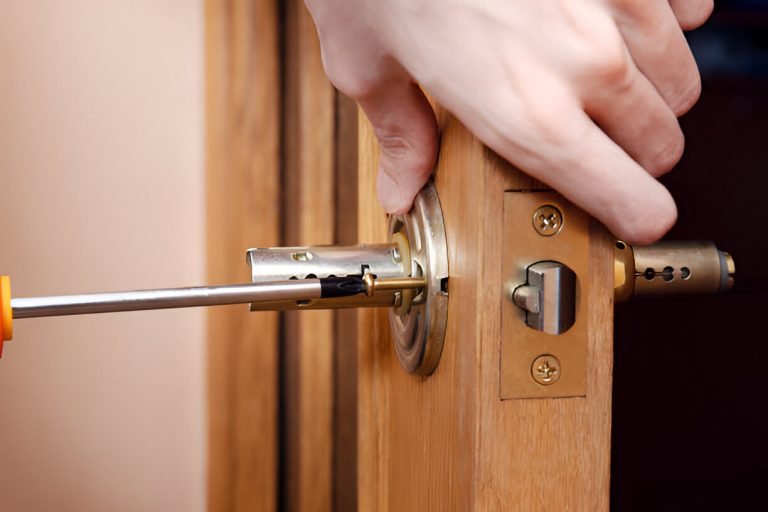
Locksmith extracting a snapped key from a euro cylinder in North LondonGet Back Inside Today

Checking Why It Snapped

Once the fragment is out we turn the mechanism with the remaining half or with a test key and feel for what caused it. Stiffness in one position usually means worn pins or a cylinder that has taken years of grit through the keyway. Resistance right at the end of the throw normally means the door has dropped on its hinges and the bolt is catching the keep rather than entering it cleanly. Neither is fixed by cutting a new key, and both will break the next one.
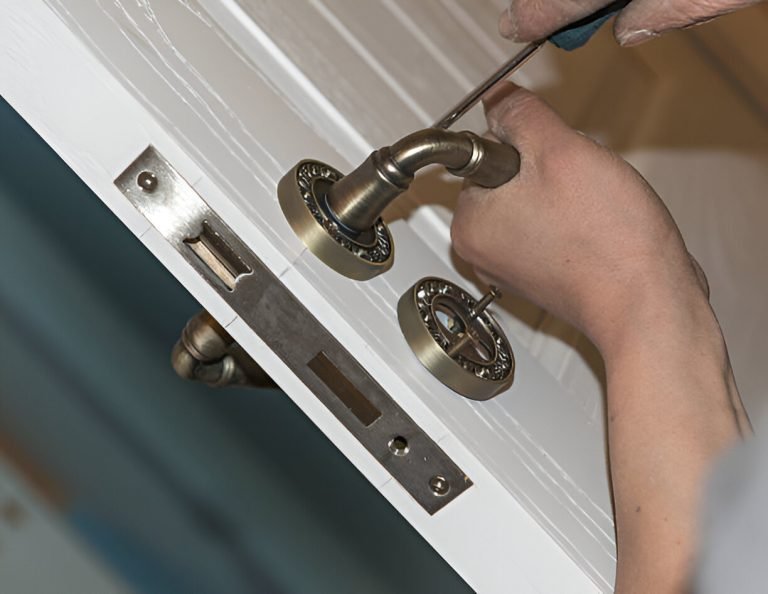
Engineer inspecting a worn euro cylinder after a key snapped in North LondonReplace a Worn Cylinder

Cutting a Key That Will Last

Where the lock is sound we cut a fresh key rather than copying the survivor, because copying a worn key simply reproduces the wear that broke the last one. On a euro cylinder we can usually cut to code from the barrel, which gives a key matched to the original factory profile rather than to twenty years of use. If the cylinder itself is past saving, replacing it comes with a full set of new keys and no history of stress in any of them.
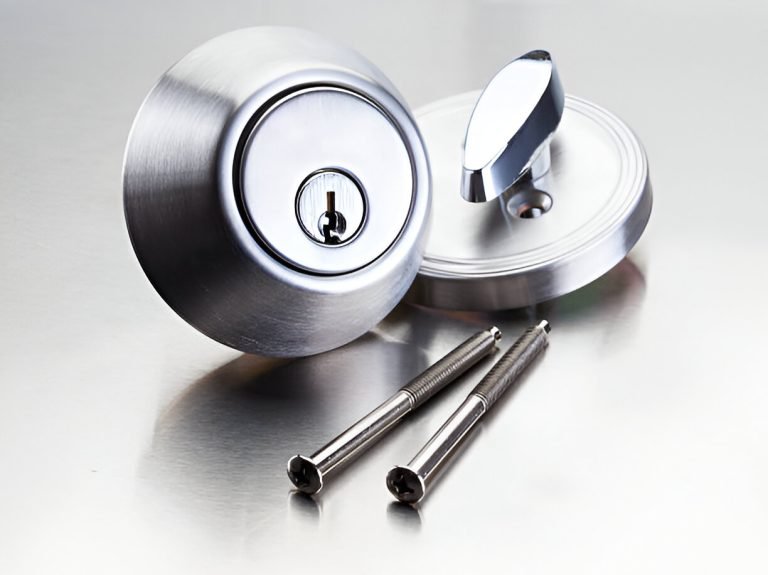
New key being cut to code to replace a snapped key in North LondonBent and Worn Keys

Why the Cylinder Usually Survives

  • Extraction first, drilling last — proper extractors get the fragment out without touching the pin stack, so in most cases the cylinder you already own carries on working.
  • We look for the cause, not just the symptom — a worn cylinder or a dropped door will break the replacement key too, usually within a few months.
  • Cut to code where we can — a key matched to the barrel rather than copied from a worn survivor is the difference between a repair and a recurrence.
  • 180-day warranty on locks, lifetime on keys — if a key we cut ever wears, sticks or fails, bring it back and we will replace it.

Our Process - What Happens When You Call

  1. Tell us where it snapped. In the front door, a communal entrance, a window lock or a padlock — each needs different extractors, and knowing in advance means the right ones are on the van.
  2. Say what is left in your hand. Whether you still have the bow with part of the blade attached decides whether we can cut from the survivor or need to cut to code from the barrel.
  3. Extraction, then diagnosis. The fragment comes out first so you are back inside, then we turn the mechanism to find out what was straining the key in the first place.
  4. A fresh key, and honesty about the lock. If the cylinder is sound you get a new key cut properly. If it is worn out, we will tell you that replacing it now costs less than doing this again in March.

Why Choose N1 Locksmiths?

You speak to the person doing the job

Describe the key and the door on the phone and the right extractors are loaded before the van leaves Holloway Road.

Priced on the call, before we travel

Extraction, a fresh key and a cylinder replacement are three different prices. You hear which applies before anyone sets off.

Extraction tools, not improvised ones

Slim probes and hooked extractors made for the job, rather than the pliers and glue that turn a small problem into a drilled lock.

180-day warranty on locks, lifetime on keys

Every key we cut is covered for life. If it ever fails, wears or sticks, we replace it.

The cylinder usually survives

Non-destructive extraction means most customers keep the lock they already have and pay for the visit rather than the hardware.

15–30 minutes across N and NW

Worked from Holloway Road, so a key snapped on a doorstep in Highbury is not a two-hour wait in the cold.

N1 Locksmiths engineer extracting a snapped key from a front door cylinder in North London
Snapped Keys

Do not go looking for the pliers

Almost every genuinely difficult snapped key job we attend started as an easy one that somebody tried to fix first. A fragment sitting flush in the keyway comes out in minutes with the right extractor, and the same fragment pushed two millimetres deeper can mean a drilled cylinder and a new lock. Tell us which door it is, what is left in your hand and whether anyone is shut outside, and you will get the price before we travel — typically within 15–30 minutes across the N and NW postcodes.

Message on WhatsAppCALL 020 7129 7496

Explore Our Locksmith Services

A snapped key rarely arrives on its own. These are the jobs that most often sit either side of it — a worn cylinder that caused the break in the first place, a spare set cut properly before the next one goes, or a uPVC door whose alignment has been punishing keys for months.

Areas We Cover Across London

We cover N1 to N22 and NW1 to NW11 from 37 Holloway Road in N7, and snapped keys follow the age of the housing more closely than almost any other job we do. The Victorian and Edwardian conversions across Islington, Canonbury, Highbury and Barnsbury are full of original Yale nightlatches and old five-lever mortices, many with keys that have been copied from copies for decades — which is exactly the recipe for a blade snapping at the shoulder. Newer stock towards Finchley, Golders Green and Barnet tends to break keys in euro cylinders instead, usually because a dropped composite door has been binding for months and the key has been taking the strain every time.

FAQs – Snapped Keys

Can you get the broken half out without drilling the lock?

In the overwhelming majority of cases, yes. Proper extractors grip the blade through the keyway and draw it out without disturbing the pins, which usually takes a few minutes. Drilling only becomes necessary when the fragment has been pushed deep by an earlier attempt, or when the cylinder itself has already failed internally.

Will my spare key still work afterwards?

Usually. Once the fragment is out we cycle the lock and check for damage. If the pin chambers are undamaged your spare will work exactly as before. If the barrel has been scored — most often by something improvised pushed into the keyway before we arrived — we will tell you honestly and recommend replacing the cylinder.

I have tried pliers and superglue. Have I made it worse?

Possibly, and you are far from the first. Pliers tend to push the fragment deeper because there is nothing to grip on a flush break, and superglue bonds to the pins as readily as to the key. Neither is fatal, but both make extraction slower and raise the chance of needing a new cylinder. Stop there and call rather than trying again.

My key snapped but I am inside the house. Is it still urgent?

Less urgent than being locked out, but do not leave it. A snapped key in the lock means you cannot secure the door properly from outside when you leave, and the fragment can shift and jam the mechanism entirely. A daytime appointment is fine, and it costs less than calling it in at nine in the evening.

Can you cut a new key from the broken piece?

Often, if you still have the bow and most of the blade. Where the break is close to the shoulder there is not enough profile left to copy accurately, and on a euro cylinder we would rather cut to code from the barrel anyway. A key cut to code matches the original factory profile instead of copying whatever wear caused the break.

Why did my key snap in the first place?

Almost always metal fatigue rather than bad luck. A stiff lock makes you apply more force, the blade flexes fractionally each time, and a crack forms at the shoulder over months. Copies cut from already-worn keys are the other common cause, because they start life under strain. The fix is usually the lock rather than the key.

Do you deal with keys snapped in window locks and padlocks?

Yes. Window locks, garage padlocks, shed hasps, gate locks and communal bin store padlocks all come up regularly. The extractors are smaller and the keyways tighter, so it is worth mentioning on the call so we bring the right set rather than making a second trip.

How much does it cost to remove a snapped key?

We quote per job, because a clean extraction from a healthy cylinder and a fragment that has been forced deep into a worn barrel are very different pieces of work. Describe what happened and what you have left in your hand, and you will have the price before we travel, including any out-of-hours rate.

What is the difference between snapped keys and broken keys?

We treat a snapped key as one that has broken off inside the lock, which is an extraction job first and foremost. A broken key usually means one that is bent, worn, cracked or no longer turning cleanly but still in one piece — that is a cutting and diagnosis job, and there is a separate page covering it.

Can I stop it happening again?

Yes, and it is mostly about the lock rather than the key. Have a stiff cylinder looked at before it breaks something, use a dry PTFE lubricant rather than oil or WD-40 which attracts grit, and avoid cutting new keys from an old worn one. If a door needs lifting or leaning on to lock, get the hinges adjusted.

Is the work guaranteed?

Yes. Locks we supply and fit are covered for 180 days, and any key we cut is covered for life — if it wears, sticks or breaks, bring it back and we will replace it. The guarantee covers our parts and workmanship rather than a cylinder that was already failing before we arrived.

Trusted Snapped Key Services You Can Rely On

Extracted without damage where possible, diagnosed properly afterwards, and a fresh key cut to last rather than copied from the one that broke.

Call NowBook Now