uPVC Door Specialist
A uPVC door is adjustable, and almost nobody is told that
A timber door is a solid slab hung on two or three fixed hinges. A uPVC or composite door is something else entirely: a plastic frame around a steel reinforcing core, hung on hinges that adjust in three directions, closing against a compression seal, with a locking strip running the full height of the door edge that throws hooks, rollers and a deadbolt in one movement of the handle. It is a system with tolerances, and every part of it can be moved.
That matters because the overwhelming majority of uPVC door faults are not broken parts at all. They are alignment. The door has dropped a couple of millimetres on its hinges, or the frame has moved with the seasons, and the hooks no longer meet the keeps square. You feel it as a door that needs lifting, leaning on, or shoving with a hip before the handle will go up. That is the door telling you it is out of adjustment, months before anything actually breaks.
The reason it is worth knowing is money. An engineer who does not work on these doors regularly will quote you a new mechanism, because replacing the strip is the answer that always works. Very often twenty minutes with the right allen keys would have fixed it for a fraction of the price, and would also have stopped the new mechanism failing in the same way two winters later.
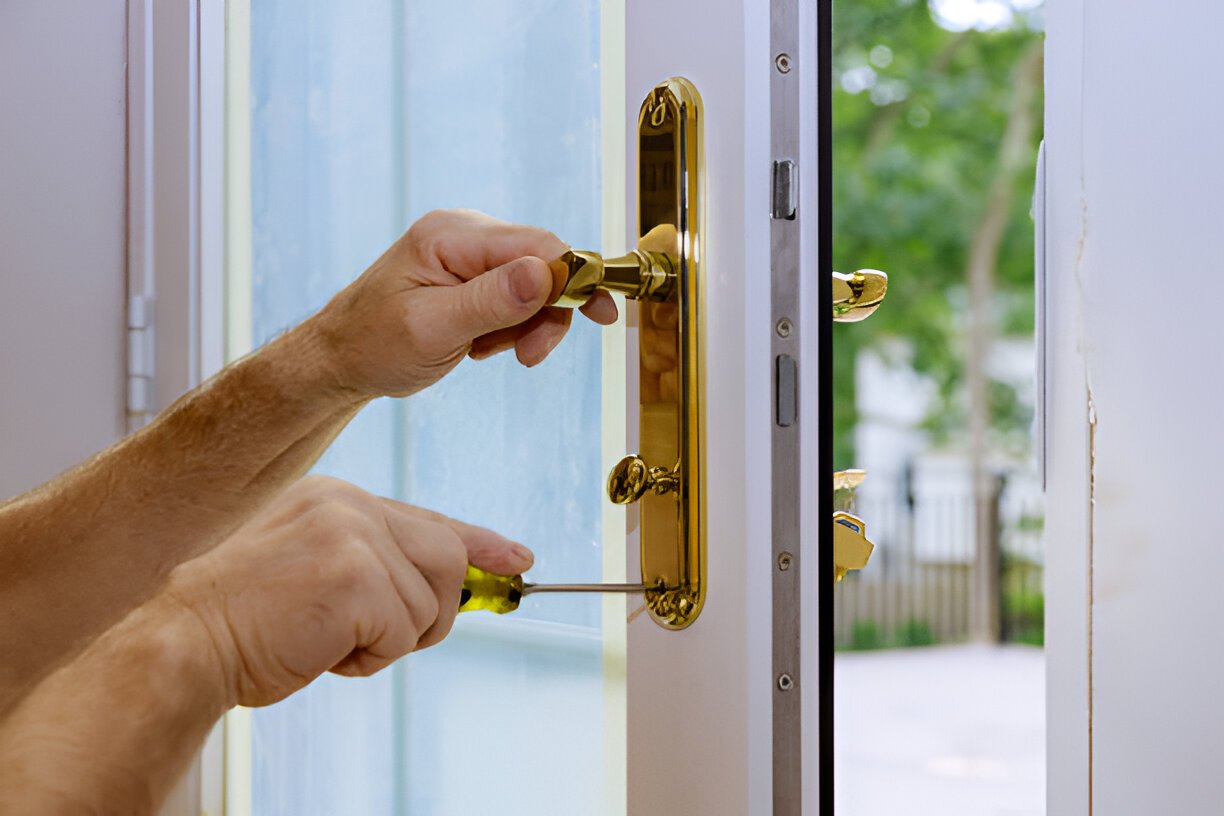
How We Get a uPVC Door Working Again
Most uPVC doors we are called to do not need a new mechanism. They need setting back to square, which takes minutes and costs a fraction of the part somebody else would have sold you.
Why the Door Moves With the Weather
uPVC expands in heat and contracts in cold, and a full-height door panel moves enough for you to feel it. Doors that are stiff every July and fine by October are almost always expansion rather than a fault. Winter brings the opposite: the frame shrinks, the seal compresses less, and a door that felt solid now rattles or fails to catch. We adjust to sit in the middle of that range rather than setting it perfectly for the day we happen to visit.
Shut Out Right NowThree-Way Hinge Adjustment
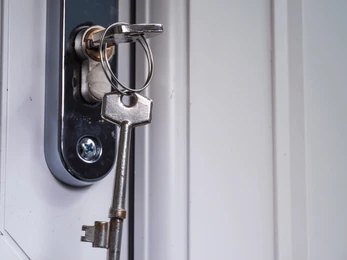
Flag, butt and rebate hinges all adjust, most of them in three planes: up and down, in and out from the frame, and side to side for compression against the seal. Getting a door back to square is a matter of small increments across all the hinges rather than winding one of them to its limit. Done properly the door closes under its own weight, the handle lifts with two fingers, and the key turns without anyone leaning on anything.
If the Mechanism Has FailedHandles, Cylinders and the Snapping Problem
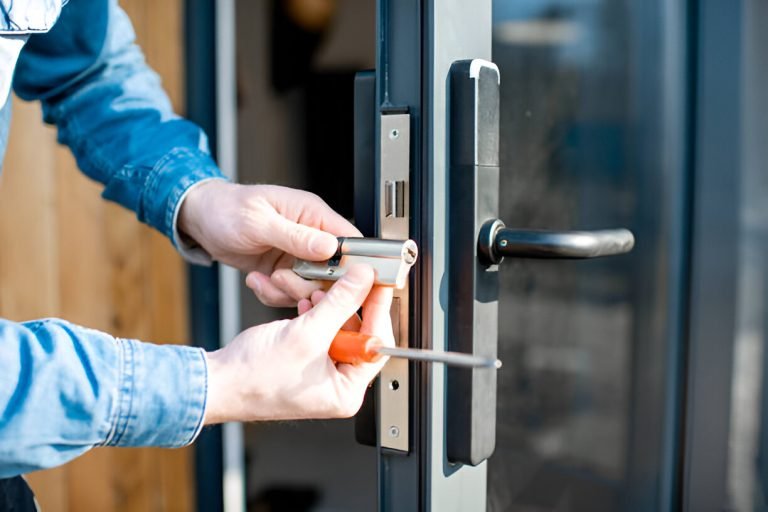
The other half of uPVC work is the hardware on the face of the door. A handle with a tired spring leaves the lever drooping and puts load straight onto the gearbox. A cylinder standing proud of the handle is the single most common attack point on these doors, because it can be gripped and snapped in seconds. Both are quick, inexpensive fixes, and both are worth doing at the same visit as any adjustment work.
Upgrade to Anti-SnapWhy Adjustment Comes Before Parts
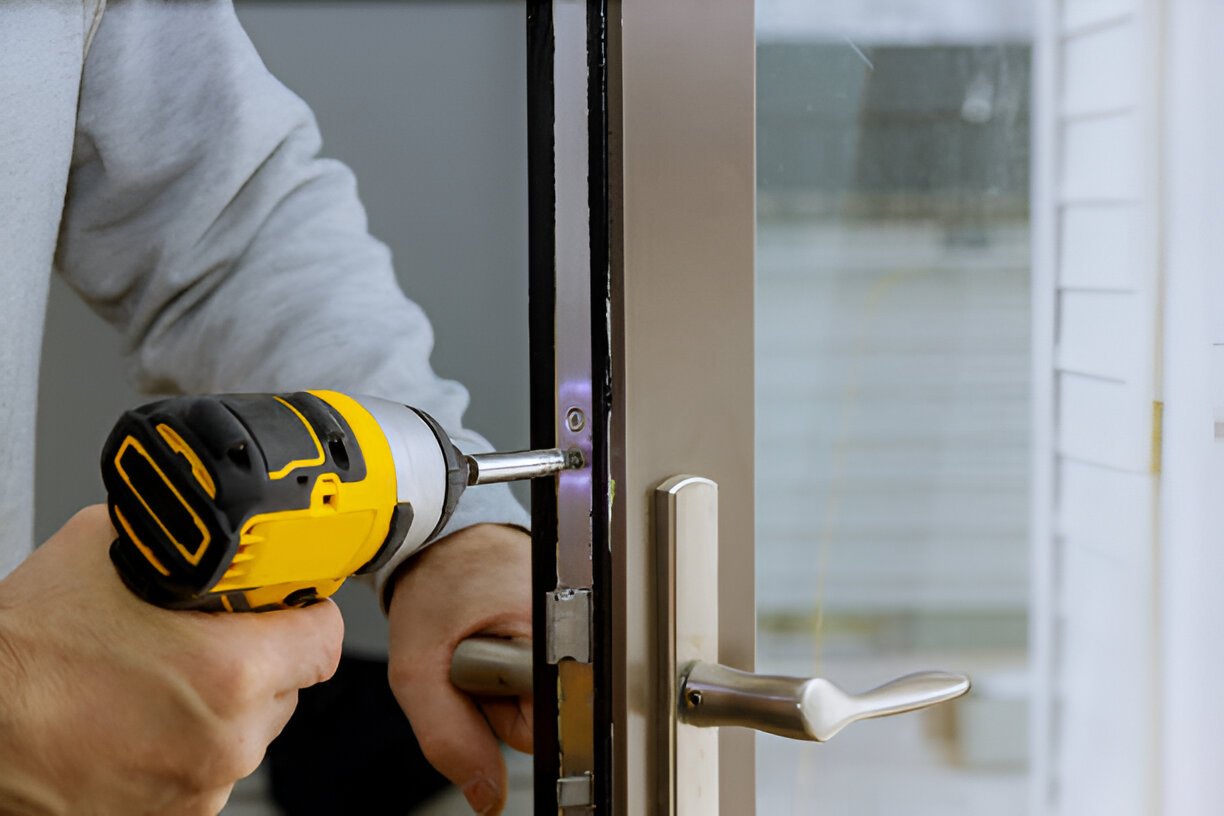
- Adjustment before parts, always — we set the door square first and see what is left, because fitting a new strip into a misaligned door just breaks the new one too.
- Set for the whole year, not for today — uPVC moves with the seasons, so we adjust to the middle of that range rather than to a hot afternoon in July.
- Gearboxes and strips carried on the van — the mechanisms used across most North London uPVC doors travel with us, so genuine failures usually finish in one visit.
- 180-day warranty on locks, lifetime on keys — the exact mechanism is named on the invoice, which matters on a door you may need parts for again.
Our Process - What Happens When You Call
- Try it with the door wide open. If the handle lifts and the key turns perfectly with the door swung open, nothing is broken. That is alignment, and it is the cheapest visit we do.
- Tell us what you have to do to lock it. Lift, lean, pull towards you, shove with a hip, hold the handle up while turning. Each one points at a different adjustment.
- Adjusted, then tested cold. We set the hinges and keeps, then work the door repeatedly from both sides until it closes and locks without anybody helping it.
- Parts only where parts are needed. If the gearbox has genuinely stripped we will tell you, show you why, and price it before anything comes out of the door.
Why Choose N1 Locksmiths?
You speak to the person doing the job
Describe what the door is doing once, and the right gearboxes, keeps and hinge tools are on the van before it leaves Holloway Road.
Priced on the call, before we travel
An adjustment, a handle, a cylinder and a full multipoint strip are four very different prices, and you hear which is likely before we set off.
Adjustment quoted as the cheap option
Where twenty minutes of hinge work fixes it, that is what you pay for. Selling a mechanism to a door that did not need one is how the trade got its reputation.
180-day warranty on locks, lifetime on keys
Every mechanism and cylinder we fit is guaranteed, with the exact product named on the invoice.
Anti-snap fitted as standard where it is needed
If your cylinder stands proud of the handle we will say so, because that is the part a break-in targets first.
15–30 minutes across N and NW
Worked from Holloway Road, so a door that will not lock on a Friday evening does not stay unlocked all weekend.

Open the door and try the handle
It is the most useful thirty seconds you can spend before calling. Swing the door wide open, lift the handle and turn the key. If it all works perfectly in the air and fights when the door is shut, nothing on your door is broken — it is out of alignment, and that is the cheapest visit we do. If it feels wrong even with the door open, the mechanism itself has gone. Tell us which of those you have and you will get a realistic price before we travel, typically arriving within 15–30 minutes across the N and NW postcodes.
Message on WhatsAppCALL 020 7129 7496Explore Our Locksmith Services
Work on a uPVC door tends to touch more than the mechanism. These are the jobs most often booked alongside it — a correctly sized anti-snap cylinder, a second door brought up to the same standard, or every external door put onto one key while the hardware is being changed anyway.
Areas We Cover Across London
We work on uPVC and composite doors across N1 to N22 and NW1 to NW11 from 37 Holloway Road in N7, and this is the one service where the map really does follow the housing. The replacement doors fitted through the late nineties and 2000s across Archway, Holloway, Caledonian Road, Finchley and Palmers Green are now old enough that their mechanisms are reaching the end of a working life, and hinge sag on a door that has been opened several times a day for twenty years is simply arithmetic. Newer composite doors around Barnet, Golders Green and the NW11 roads fail differently — heavier panels, so they drop sooner, and better cylinders, so the mechanism usually goes before the lock does.
FAQs – uPVC Door Specialist
I have to lift the handle really hard to lock my door. Is it broken?
Usually not yet, but it is on its way. That resistance means the hooks are meeting the keeps at an angle instead of sliding in cleanly, so every lock is straining the gearbox. Left alone, the gearbox is what eventually gives out, and at that point it is a part rather than an adjustment. Caught early it is often twenty minutes of hinge work.
The key turns but the door will not lock. What is wrong?
The cylinder is turning the cam but the mechanism it drives is not engaging, which usually means the multipoint gearbox has failed. It is the part that sits inside the door edge and drives all the hooks. Describe it precisely when you call, because it is a different price and a different part to a cylinder, and we would rather bring the right one.
My door is fine in winter and sticks every summer. Why?
Thermal expansion. uPVC grows in heat and a full-height door panel moves enough to bind against the frame. It is normal behaviour rather than a fault, but a door set up tight to begin with will bind badly every July. We adjust to sit in the middle of the seasonal range so it works in both, rather than perfectly on the day of the visit.
Can a dropped uPVC door really be adjusted rather than replaced?
In most cases yes, and it is the commonest thing we do on these doors. The hinges adjust vertically, horizontally and for compression, and the keeps in the frame move too. A door that has sagged two or three millimetres can usually be brought back to square. Only where the panel itself has distorted or the frame has failed does replacement come into it.
What is a multipoint mechanism and how much of it can be repaired?
It is the full-height strip in the door edge carrying hooks, rollers, a latch and a deadbolt, all driven by one gearbox. Individual keeps, rollers and the handle can be replaced on their own. The gearbox itself is not realistically repairable and is changed as a unit, which usually means removing the whole strip.
Why does my cylinder stick out past the handle, and does it matter?
It matters more than anything else on the door. A cylinder projecting past the handle can be gripped with pliers and snapped in seconds, which is the standard method of forcing uPVC and composite doors. It means the cylinder was sized wrong when it was fitted. Replacing it with a correctly measured anti-snap cylinder is a short, inexpensive job.
Do you work on composite doors as well as uPVC?
Yes, and the hardware is essentially the same. A composite door has a different core and is heavier, which actually makes hinge sag more common rather than less. The multipoint mechanism, the euro cylinder and the adjustment principles are identical, so anything on this page applies to both.
Can you repair uPVC windows and patio doors too?
Window locks, espagnolette mechanisms, handles and hinges, yes. Sliding patio doors are their own thing — rollers, tracks and patio lock mechanisms — and bi-folds have shootbolts and track alignment. Tell us which you have when you call so the right parts and the right approach come with the engineer.
The handle has gone floppy. Is that the handle or the mechanism?
It can be either, which is why we test before quoting. A worn handle spring leaves the lever drooping while the mechanism underneath is fine, and a new handle fixes it. A stripped gearbox also produces a handle with no resistance, but usually with a grinding or hollow feel as it moves. Thirty seconds on the door tells us which.
Is it worth repairing an older uPVC door or should I replace it?
Almost always worth repairing. A door that is twenty years old but structurally sound can be adjusted, refitted with a new mechanism and given a modern anti-snap cylinder for a small fraction of a replacement door, and it will be more secure afterwards than it was when new. We will tell you honestly if the panel or frame has gone past that point.
How much does uPVC door work cost?
By what the door actually needs, and quoted before we travel. Alignment and adjustment is the smallest job, a handle or cylinder sits above it, and a full multipoint mechanism is the largest. Describe what the door is doing and whether it behaves differently when open, and you will have a realistic figure before anybody sets off.