A lock that’s sticking, rattling, or simply old enough to have lost a few keys along the way is one of the most common reasons homeowners search for lock advice. Changing a door lock isn’t always a job for a professional — plenty of standard locks can be swapped safely in under half an hour once you know which type you’re dealing with. This guide breaks down the process for the three lock types you’ll find on UK front doors, plus how to tell when it’s genuinely a job to hand over to a locksmith.
Signs Your Lock Needs Changing, Not Just Repairing
- The key turns with noticeably more resistance than it used to
- The barrel or handle feels loose, or the door needs a shove to lock properly
- You’ve moved into a new property and don’t know who else has a key
- The lock isn’t rated British Standard BS3621, which many insurers require
- A key has snapped or is stuck — in this case, stop and get it removed first rather than forcing a new lock in around it
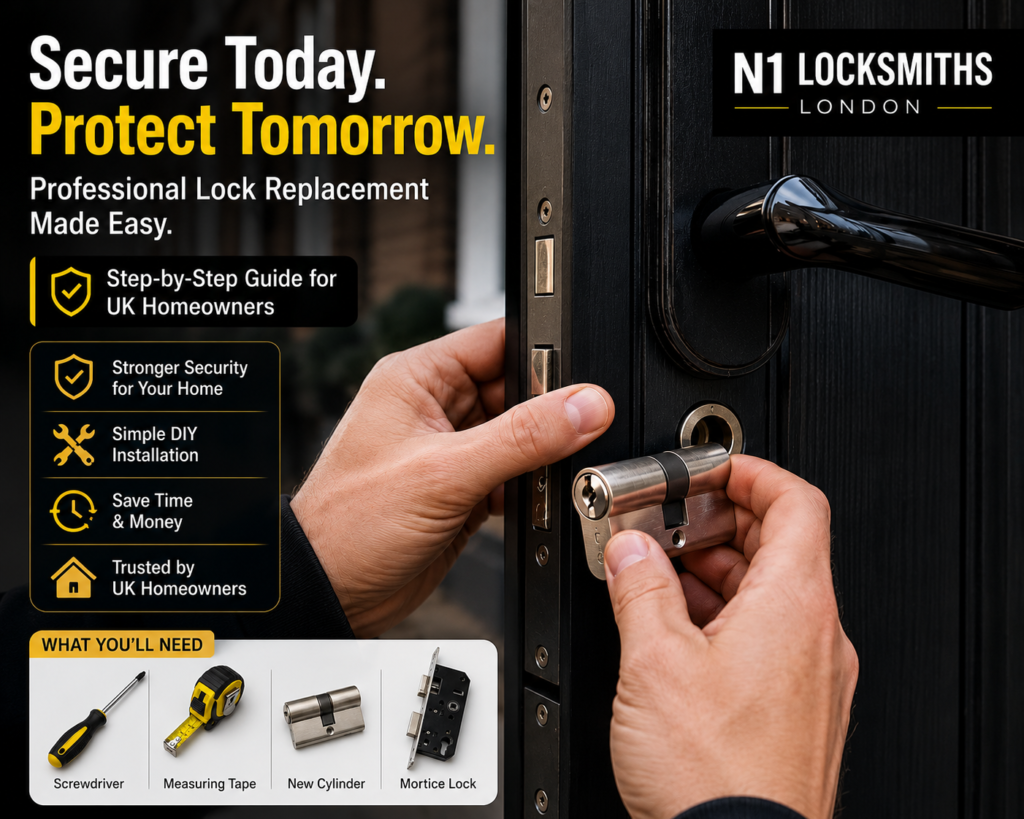
What You'll Need Before You Start
- A flathead and a Phillips screwdriver
- A tape measure or ruler
- The replacement lock — matched to your existing lock type and size
- A pencil, for marking up if you need to adjust a strike plate
- A chisel, only if you’re fitting a mortice lock into a slightly different pocket size
Work Out Which Lock You Actually Have
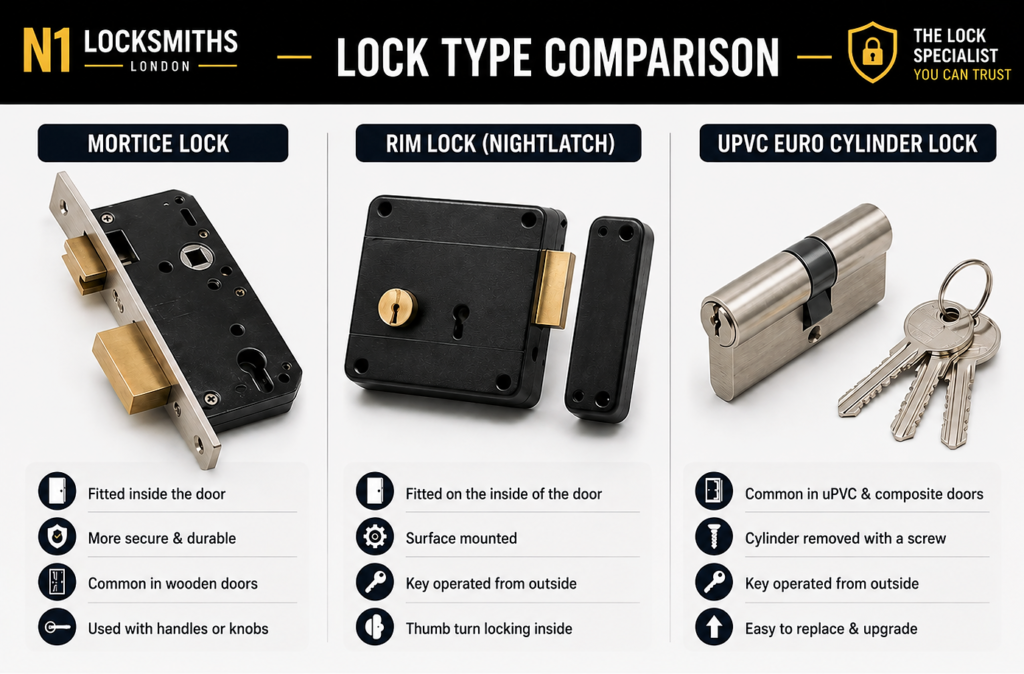
Getting the replacement lock wrong is the single most common hold-up in a DIY job, so it’s worth five minutes to check before you buy anything. UK front doors typically use one of three systems:
Mortice lock
Sits inside a pocket cut into the door edge itself, usually found on timber doors, often paired with a rim lock above it.
Rim lock (nightlatch)
Mounted on the surface of the door rather than recessed into it. Common as a secondary lock alongside a mortice lock.
uPVC cylinder (euro barrel) lock
Passes through the door and drives the multipoint locking mechanism. This is standard on uPVC and composite doors, and the type most people are searching for when they say their lock “won’t turn properly.”
If you’re not sure which one you have, take the old lock (or a clear photo of it) to a hardware counter rather than guessing. And if the key is already broken off inside the mechanism, that needs sorting first — see our snapped key service if you’re stuck.
Fitting a Mortice or Rim Lock
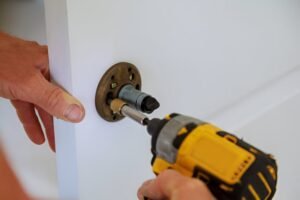
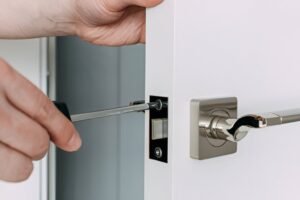
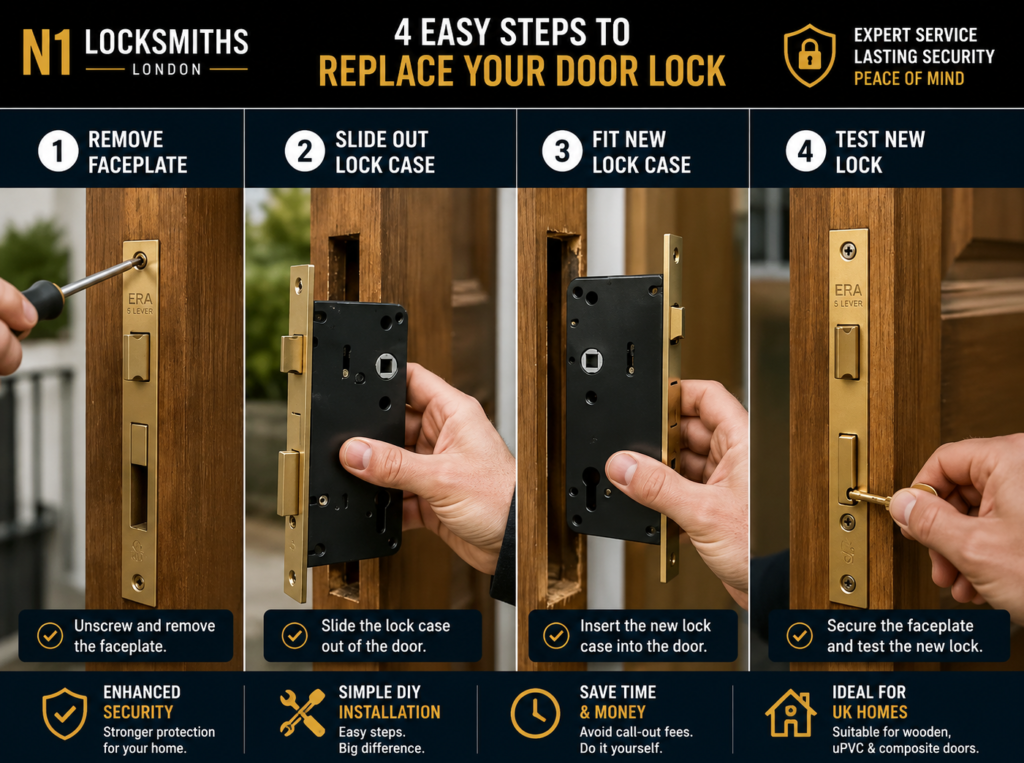
- Open the door and remove the screws holding the lock’s faceplate, then slide the lock body out of the door edge.
- Hold the new lock against the old one and compare the backset — the distance from the door edge to the centre of the keyhole — along with the overall case size.
- Slide the new lock into place, screw the faceplate back in, and reattach the strike plate on the frame if a new one was supplied.
- Shut the door and test the key several times before you rely on it. If it turns stiffly, the strike plate is usually slightly out of alignment rather than the lock itself being faulty.
Fitting a uPVC Cylinder Lock
This is the job most UK homeowners end up doing, and the one where accurate measuring matters most.
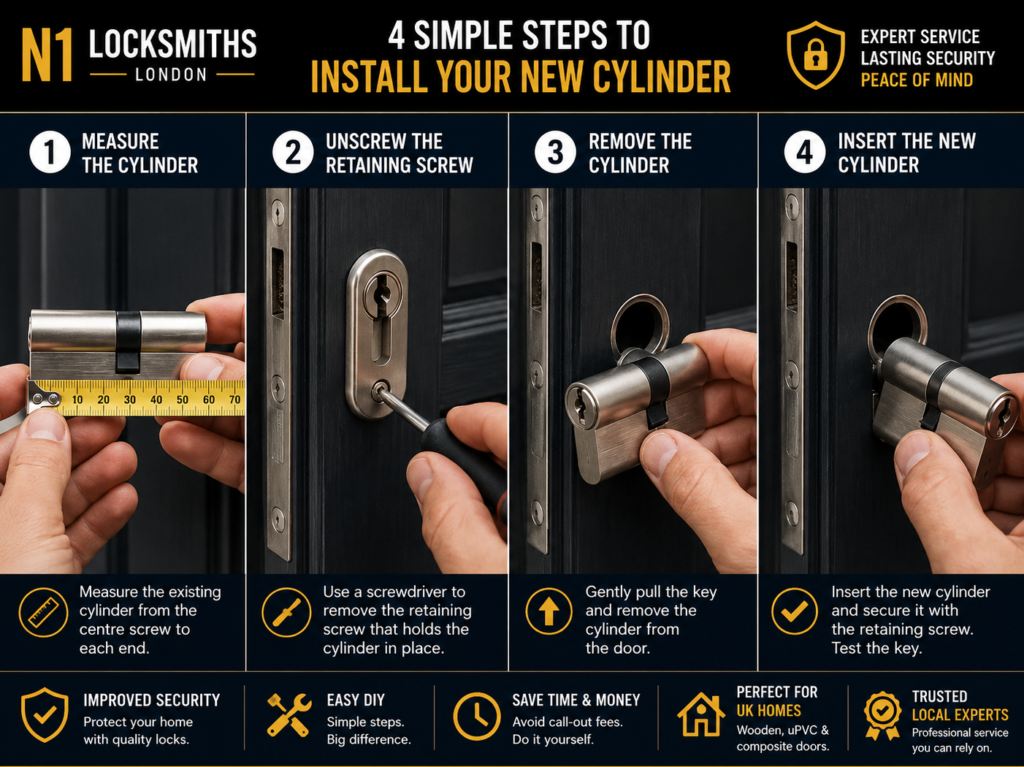
- With the door open and unlocked, measure from the centre of the fixing screw to each end of the cylinder — you’ll get two numbers, such as 35mm and 45mm, which is how cylinders are sized.
- Find and remove the retaining screw, usually on the edge of the door.
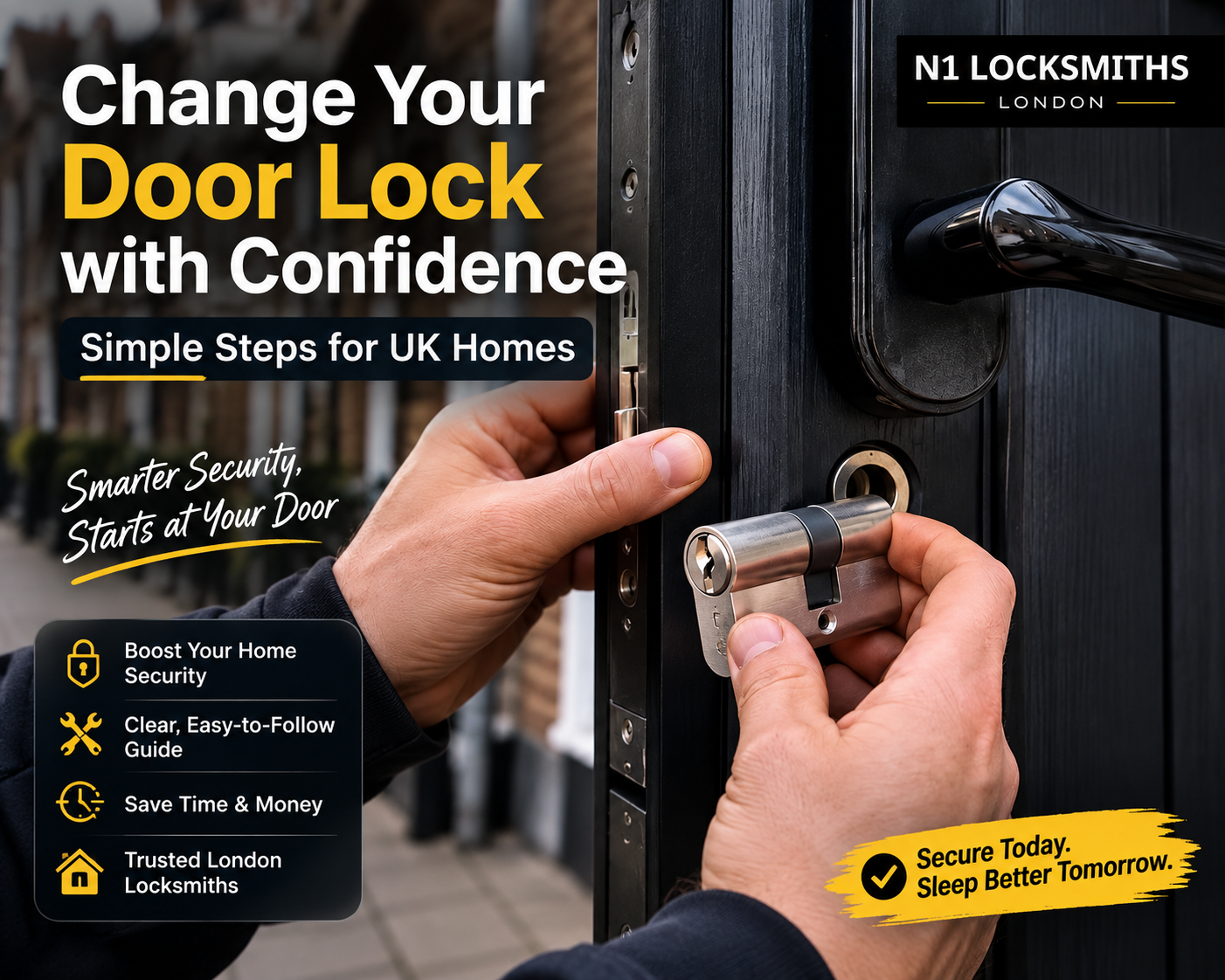
- Turn the key slightly and pull the old cylinder out from either side.
- Fit the new cylinder, making sure the small metal cam lines up correctly before you tighten the retaining screw.
- Test the mechanism with the door open first, then again with it closed, before trusting it fully.
Worth Upgrading While You're At It
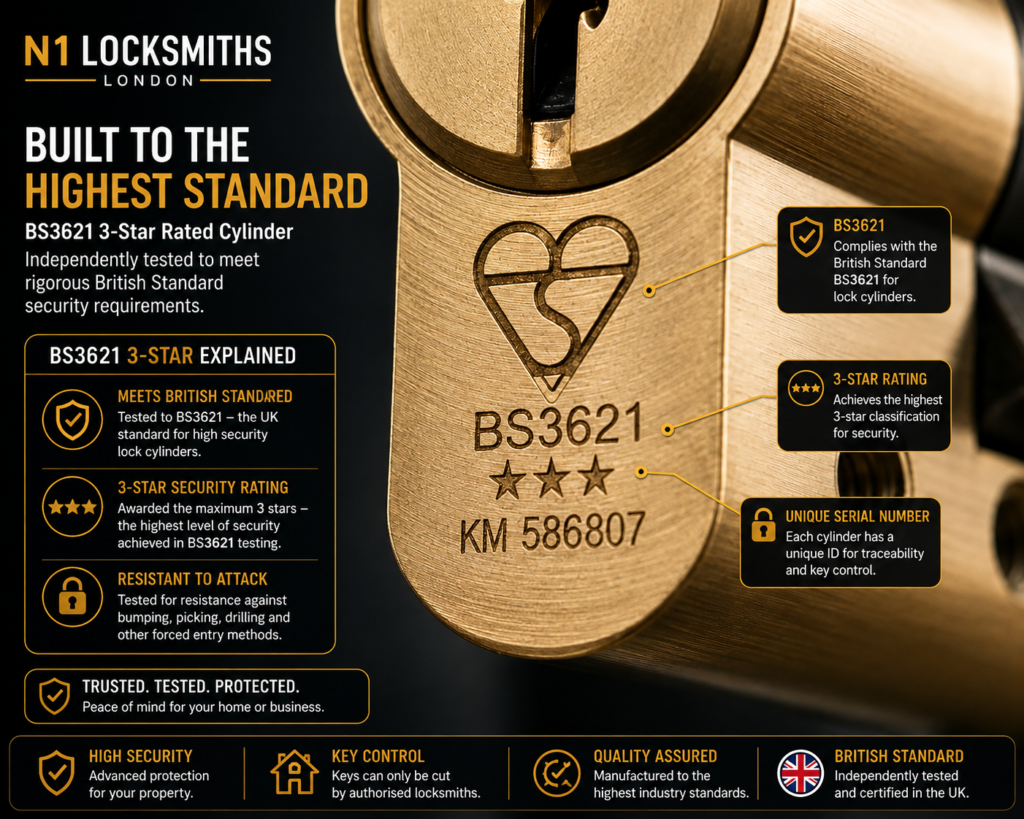
If your current lock predates British Standard BS3621, replacing it is a good moment to upgrade — several UK home insurance policies won’t pay out on a claim if the lock fitted doesn’t meet that standard. An anti-snap cylinder is also worth the small extra cost on uPVC doors, since standard euro cylinders are the most commonly targeted point of entry on that door type.
When It's Worth Calling a Locksmith Instead
DIY replacement is fine when the door and frame are in decent shape and you’re comfortable measuring and fitting hardware. It’s a different story if:
- The lock is seized, snapped, or the door won’t budge at all
- You need an insurance-approved or British Standard lock fitted and certified correctly
- The problem is in the multipoint mechanism itself, not just the cylinder
- You’d rather have it guaranteed and done the same day
N1 Locksmiths Ltd handles lock replacement and full lock changes across North London, with 24-hour emergency cover if you need it sorted outside office hours. We also cover residential properties throughout our London coverage areas — get in touch for a quote.
Frequently Asked Questions
- Should I change the locks when I move into a new house?
Yes — it’s one of the few security jobs worth doing regardless of budget. You have no way of knowing how many keys exist for the previous owner’s locks, including copies given to tradespeople, family, or a former tenant. - Can I fit a British Standard lock myself?
You can fit the lock itself, but “insurance-approved” sometimes means the installation needs to be carried out or signed off by a certified locksmith, depending on your policy. Check your insurer’s wording before relying on a DIY fit for a claim. - What size uPVC cylinder do I need?
Measure from the centre of the fixing screw hole to each end of the cylinder — inside and outside. The two measurements (for example 35mm/45mm) determine the correct replacement size. - How long does it take to change a lock?
A straightforward cylinder or mortice swap typically takes 20–30 minutes once you have the right replacement to hand. Jobs involving a damaged frame or a seized multipoint mechanism take longer and are usually better left to a locksmith.