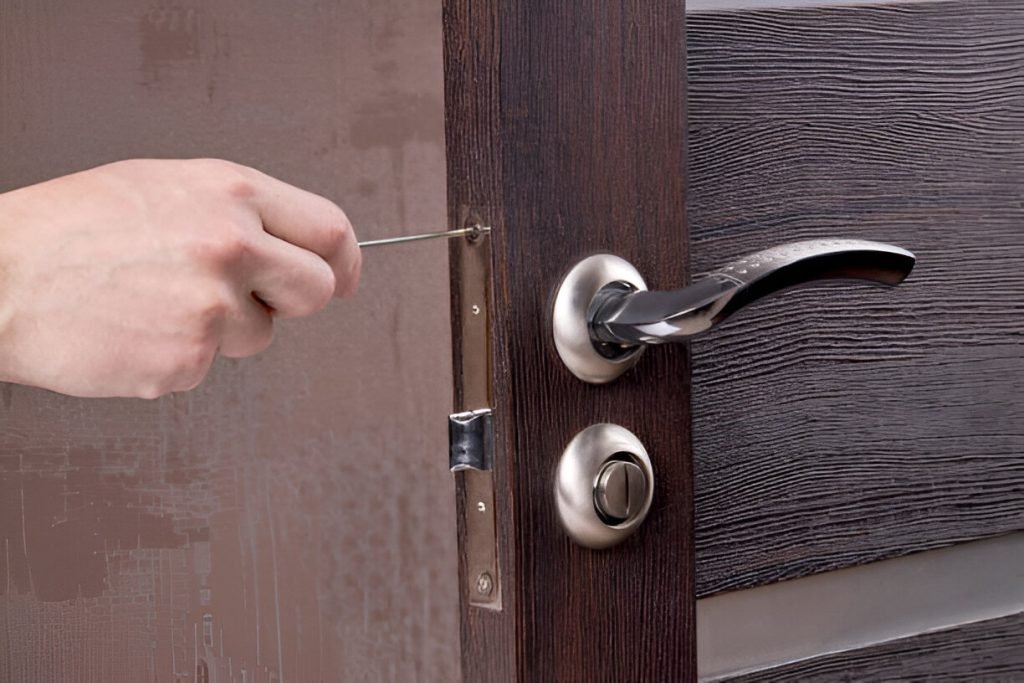
Broken Keys

A key tells you it is failing long before it fails

Most people carry a broken key around for weeks without calling it broken. It is the one you have to jiggle. The one you push in and pull back a millimetre before it turns. The one that works on the second attempt if you lift the handle at the same time. None of that is normal, and none of it is the lock being temperamental — it is a key whose cuts have worn shallow, or whose blade has taken a slight bend, no longer lining the pins up where the manufacturer put them.

That is the difference between this page and our snapped keys page. A snapped key has already broken off inside the lock and needs extracting. A broken key is still in one piece in your hand, and the job is diagnosis and cutting rather than rescue. Catch it at this stage and it is a short, cheap, booked-in-advance visit. Leave it and you are reading the other page at eleven at night on somebody else's phone.

Keys wear because they are meant to. Brass and nickel silver are soft enough to cut in ninety seconds at a kiosk, which also means they give up a fraction of a millimetre every time they drag across a sprung pin. A key used four times a day makes roughly three thousand passes a year. The cuts round off, the shoulder thins, and eventually the profile no longer matches the lock it opens.

How We Deal With a Failing Key

A key that needs persuading is a key that is going to break, and it will pick its moment. Sorting it while it still turns is a booked appointment; sorting it afterwards is an emergency.

Reading the Wear on a Key

Lay a suspect key next to a spare that has spent its life in a drawer and the difference is usually visible. The peaks of the cuts go from sharp to rounded, the shoulder that stops the key at the right depth wears back, and the blade takes on a polish where it rubs. A bent key shows as a gap when you sit it flat on a table. Any of those and the key is no longer the shape the lock was built to read.
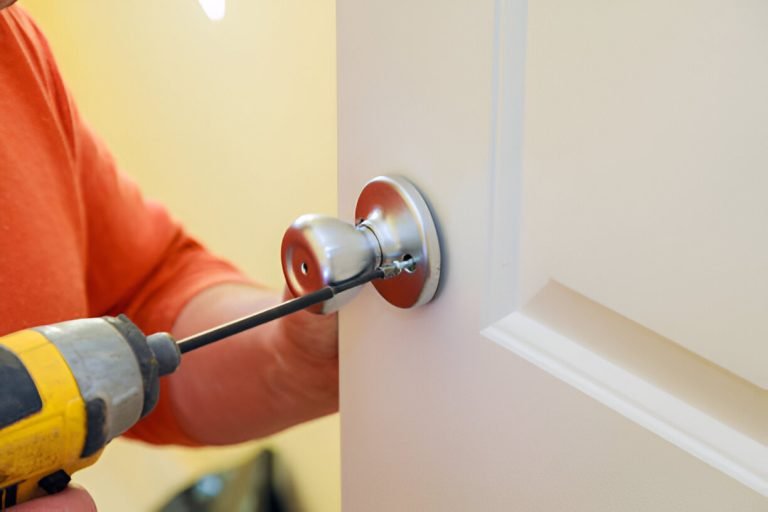
Worn and bent door keys compared side by side by a North London locksmithGet a Fresh Set Cut

Is It the Key or the Lock?

The quickest test costs nothing: try the spare. If the spare turns cleanly the key is the problem and cutting a new one to code ends it. If the spare fights the same way, the fault is inside the cylinder or in how the door sits, and no key will fix it. We do this test on the doorstep before quoting, because telling somebody they need a new lock when they need a two-pound key is not how we want to work.
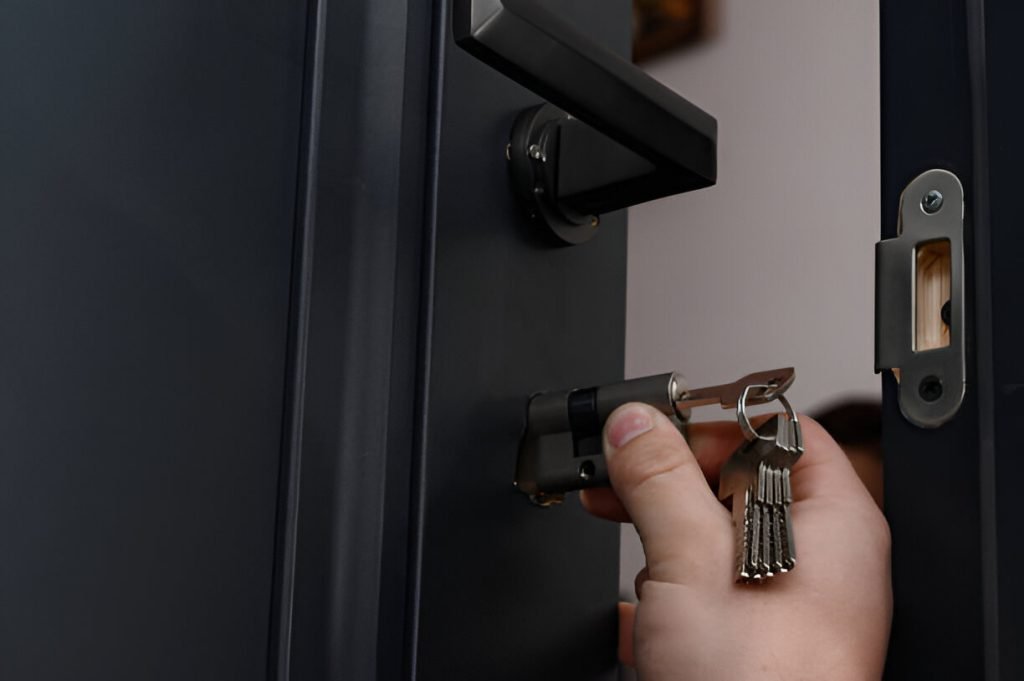
Locksmith testing a spare key in a front door cylinder in North LondonReplace a Failing Cylinder

Cutting to Code, Not Copying

Copying a worn key copies the wear. The machine follows the key you hand it, so the new one starts life already shallow and already under strain. Where the cylinder carries a code we cut to that instead, producing a key matched to the factory profile. Where it does not, we cut from the least-used key in the set rather than the one on your keyring. It is the difference between a key that lasts years and one that fails by spring.
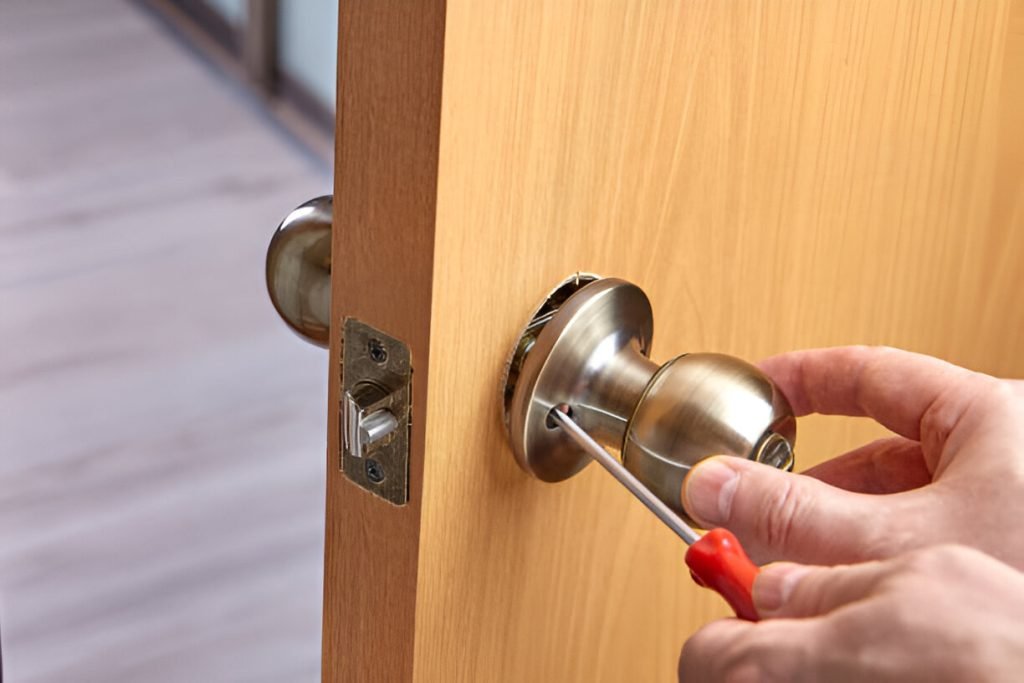
New key cut to code on a locksmith key cutting machine in North LondonKey Already Snapped?

Why We Test Before We Quote

  • We test before we quote — the spare-key check on the doorstep tells us in seconds whether you need a key or a cylinder, and we will say so either way.
  • Cut to code where the lock allows it — a key matched to the barrel rather than copied from a worn one is why our replacements last.
  • Quality blanks, not the cheapest tray — thin blanks cut fast and fail fast, particularly on multipoint uPVC doors where the key does real work.
  • 180-day warranty on locks, lifetime on keys — if a key we cut ever sticks, wears or breaks, bring it back and we replace it, no argument.

Our Process - What Happens When You Call

  1. Describe what the key is doing. Sticking, needing a wiggle, turning only one way, working on one door but not another — each points somewhere different, and it shapes what we bring.
  2. Bring out the spares. If there is a set in a drawer that never gets used, find it before we arrive. It is the cleanest master to cut from and it saves you money.
  3. The doorstep test. We try each key in turn and feel where the resistance sits, so the diagnosis is based on the lock in front of us rather than on the phone call.
  4. Cut, test, and hand over a full set. New keys are tested in the door, not just eyeballed, and we would rather cut you three that work than one that nearly does.

Why Choose N1 Locksmiths?

You speak to the person doing the job

Describe how the key is misbehaving and the right blanks and code cards are on the van before it leaves Holloway Road.

Priced on the call, before we travel

Cutting a set, changing a cylinder and rekeying a lock are three different prices, and you hear which one applies first.

Cutting kit that holds tolerance

A properly set up machine cuts to within a few hundredths. A worn one produces keys that work today and stick by Christmas.

180-day warranty on locks, lifetime on keys

Every key we cut is guaranteed for as long as you own it. If it fails, we replace it.

No lock sold you did not need

If a fresh key fixes it, that is what you get. The upsell to a new cylinder is not how this business has lasted eight years.

15–30 minutes across N and NW

Worked from Holloway Road, so a key that has finally given up on a Tuesday morning is not a wait until Thursday.

N1 Locksmiths engineer cutting a replacement door key on site in North London
Broken Keys

Sort it while it still turns

Nobody books a locksmith for a key that mostly works, which is exactly why so many of our evening call-outs start with somebody saying it had been sticking for months. A set of keys cut properly in daylight is a short visit at a time you chose. The same problem at half past ten on a Sunday is a different conversation and a different price. Tell us what the key is doing and which door it belongs to, and you will have the cost before we travel — typically within 15–30 minutes across the N and NW postcodes.

Message on WhatsAppCALL 020 7129 7496

Explore Our Locksmith Services

Worn keys are usually one symptom of a door that needs a little attention. These are the jobs that most often go with them — a cylinder replaced before it ruins the next set, a full set cut and matched across the house, or a uPVC mechanism adjusted so it stops loading the key every time it locks.

Areas We Cover Across London

We work across N1 to N22 and NW1 to NW11 from 37 Holloway Road in N7, and worn keys are one of the few jobs where the pattern is about how a door is used rather than how old it is. Shared front doors in the mansion blocks around Camden Town, Kentish Town and Caledonian Road see a communal key turned dozens of times a day by a dozen different hands, so those wear out years faster than a private front door two streets away. Family houses towards Hampstead, Finchley, Golders Green and Barnet tend to fail differently — one worn key that has been copied for everybody in the house, so the whole set drifts out of tolerance together and every door starts sticking in the same month.

FAQs – Broken Keys

My key works but I have to jiggle it. Is that worth calling about?

Yes, and it is the cheapest moment to call. Jiggling means the cuts no longer line the pins up on the first attempt, so you are compensating with movement. That gets worse, never better, and the day it stops working is the day you are standing outside. A fresh key cut properly, booked at a time that suits you, costs a fraction of an evening call-out.

What is the difference between a broken key and a snapped key?

A broken key is still in one piece — bent, worn, cracked or simply no longer turning cleanly — and the work is diagnosis and cutting. A snapped key has broken off inside the lock and needs extracting before anything else can happen. If half of yours is currently sitting in the cylinder, our snapped keys page is the one you want.

Can you straighten a bent key rather than replace it?

We can, but we would rather not, and we will tell you why. Bending metal back introduces a stress line exactly where it will eventually break, usually inside the lock. If a key has bent far enough to notice, it has already been weakened. Straightening it is a way of getting through today, not a repair.

Why does my key work in one lock but not the other?

Because the two locks have worn at different rates, or because one is keyed slightly differently to begin with. A key sits within a tolerance band, and as it wears it drifts towards the edge of that band. It will fall out of tolerance on the tighter lock first, which is usually the newer one or the one that gets less use.

Can you cut keys for uPVC and multipoint doors?

Yes, and those are the ones where blank quality matters most. A multipoint key lifts several hooks and a deadbolt in one turn, so it carries far more load than a simple nightlatch key. Cheap blanks flex under that load and round off quickly. We cut those on proper blanks and test them through the full throw before leaving.

How many spares should I have?

Two working keys per lock as a minimum, and at least one of them kept somewhere it is not used daily. That untouched key is your reference master — when the everyday one wears out, we cut from the pristine one rather than copying wear onto wear. It is the single cheapest thing you can do to avoid this page in future.

The key came from a kiosk and never worked properly. Can you fix it?

Usually. A badly cut copy is either cut to the wrong depth or cut on a blank with the wrong profile for the keyway. We can measure it against the lock and cut a correct one. Bring the original that was copied if you still have it, because the fault is often that the original was already worn when it was duplicated.

Do you cut keys at the property, or do I have to go somewhere?

At the property. The cutting equipment travels on the van, which matters more than it sounds — it means each new key is tested in your actual door before we leave rather than in a shop three miles away. If it needs a fractional adjustment, that happens there and then.

Can you rekey the lock instead of cutting new keys?

On many cylinders, yes, and it is worth considering if the keys have gone missing rather than simply worn. Rekeying changes the pin combination so old keys no longer work, and you get a fresh set. Where a cylinder is genuinely worn out inside, rekeying it just gives you new keys for a tired lock, and we will say so.

How much does it cost?

We quote per job, because cutting two keys from a good master and diagnosing a door that has been fighting its lock for a year are different pieces of work. Tell us what the key is doing and how many you need, and you will have the price before we travel, including any out-of-hours rate.

What guarantee comes with a key you cut?

A lifetime guarantee on the key itself. If it ever wears, sticks or breaks, bring it back and we will cut you a replacement at no charge. Any lock or cylinder we supply and fit alongside it carries 180 days. What the guarantee does not stretch to is a mechanism that was already on its way out when we arrived and that you asked us to leave alone.

Trusted Broken Key Services You Can Rely On

Diagnosed on the doorstep, cut to code where the lock allows it, tested in your own door, and guaranteed for as long as you own the key.

Call NowBook Now